
We awoke to a very windy dawn with rain threatening. Breakfast at our Prince Hotel comprised a set offering of thinly sliced beef, two cocktail sausages, cold French fries, a tiny green salad, two small bread rolls, a croissant and a meagre serving of scrambled egg. Orange juice and hot coffee were appreciated inclusions.
Before we departed the hotel at 08:20 we had our big bags set aside for collecting in Osaka when we arrive on Thursday afternoon. We took some photos of the hotel’s gardens which included an attractive pond and small waterfalls.

Garden at Yunohana Prince Hotel, Hakone-machi Hakone
Our bus driver then took us from our hillside hotel in Hakone down to the coastal city of Odawara and dropped us off at the railway station in preparation for our train travel to Takayama.

Our bus driver, Yunohana Prince Hotel to Hakone railway station
Right outside the station is a large and most impressive bronze statue of Suon Hojo who was a powerful warlord during Japan’s Sengoku period in the mid to late 15th century.

Bronze statue of Suon Hojo at Hakone railway station
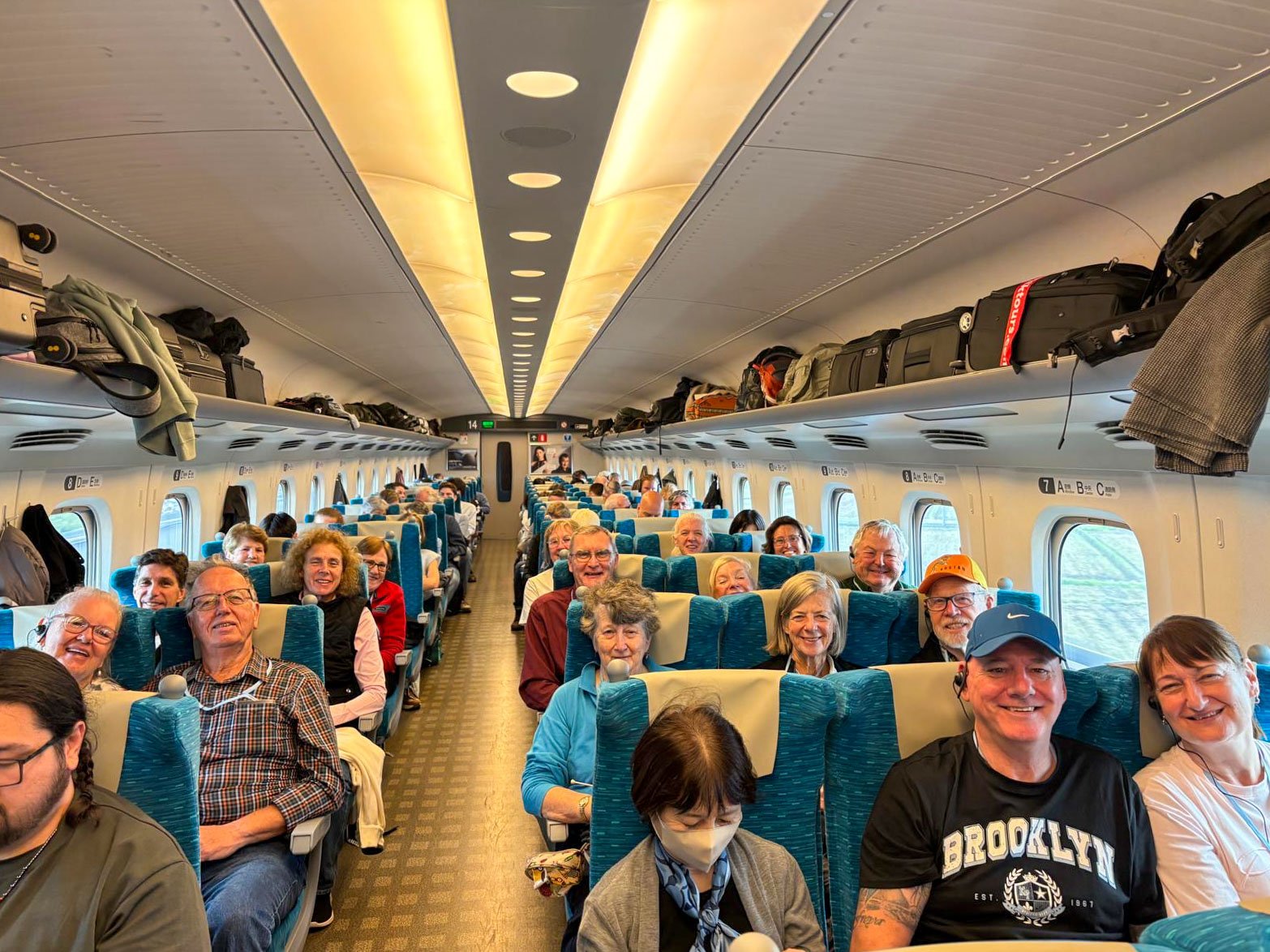
Our group then boarded the shinkansen bullet train to Nagoya, a trip lasting seventy minutes with a maximum speed of just under 300 km/h.

Shinkansen bullet train arriving at Hakone railway station
Shinkansen bullet train arriving at Hakone railway station, Hakone
At Nagoya we then transferred quickly to a regional express train that took us on a two and a half hour northerly journey to Takayama.
The first hour of our train trip was through a suburban landscape that changed to a more rural scene where rice paddies were common in amongst the numerous small villages.
The second half of the trip to Takayama was mostly following along the spectacular Hidagawa River gorge with many cherry blossom trees in flower.

Hidagawa River from fast express train

Hidagawa River from fast express train

Hidagawa River gorge viewed from fast express train, Nagoya to Takayama

Hidagawa River gorge viewed from fast express train, Nagoya to Takayama
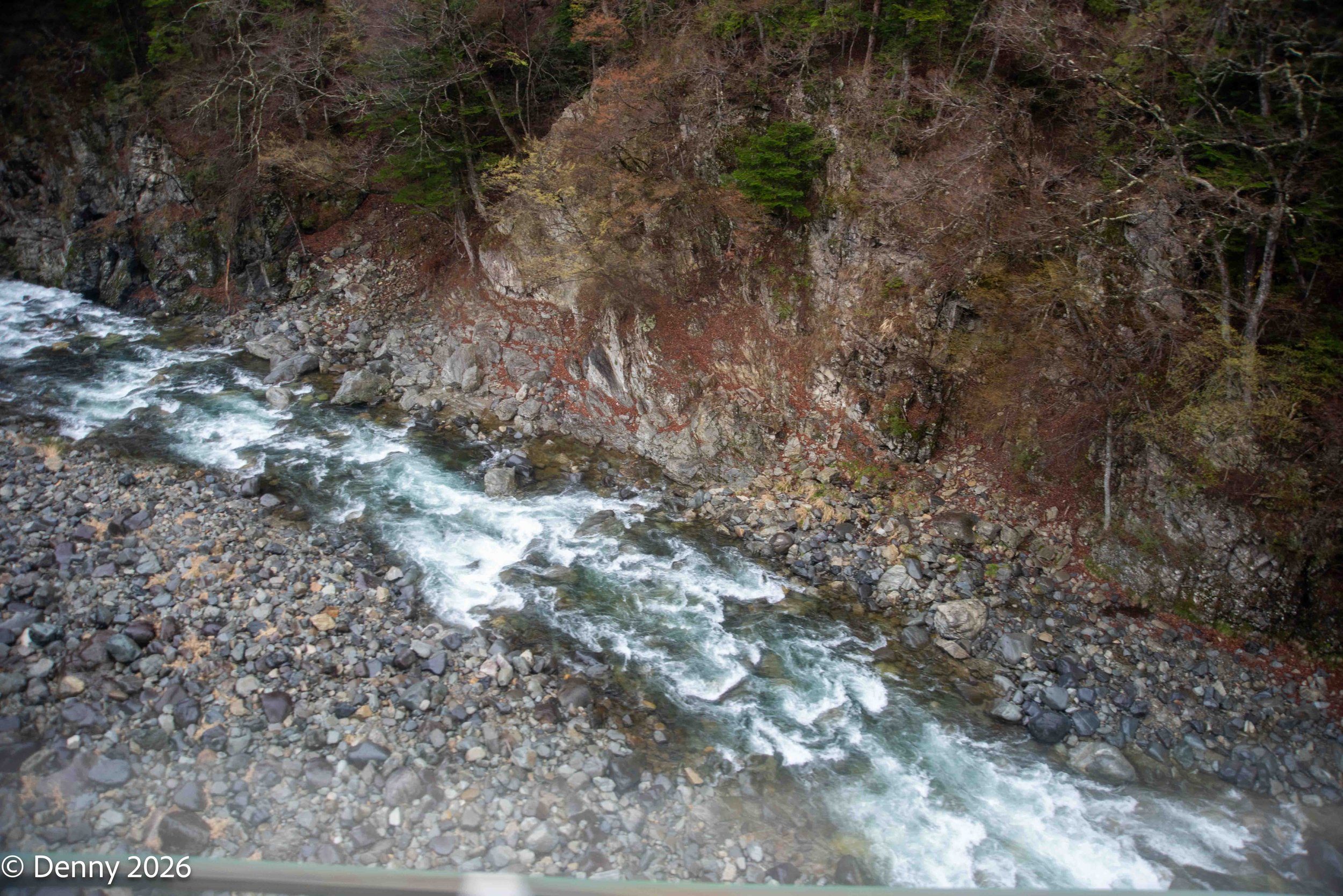
Hidagawa River gorge viewed from fast express train, Nagoya to Takayama
We were unaware until this time that the cherry blossom trees are native to Japan. This is evident by seeing remote mountain hillsides far away from roads or people having cherry trees in bloom interspersed amongst the other forest trees.

Cherry blossom viewed from fast express train, Nagoya to Takayama
Unfortunately, the weather had now deteriorated and rain developed making this magnificent gorge and its cascades a good deal harder to see and appreciate.
On arriving at Takayama (formerly called Hida) we deposited our overnight bags at the Tokyu Stay Hida Hotel and went for a walk into the ‘Old Hida Village’.
Takayama is an isolated mountain city which is agriculturally poor but rich in timber giving it a centuries old tradition of producing skilled carpenters and wood carvers. The pure mountain water that abounds in this valley is deemed to be perfect for the production of sake and craft beers. Not surprisingly Takayama has become a tourist mecca with millions visiting each year especially for its internationally famous, twice a year Takayama Festivals.
We strolled in very cold and wet conditions down through the old town’s Sanmachi Street but our enthusiasm was affected by the adverse weather.
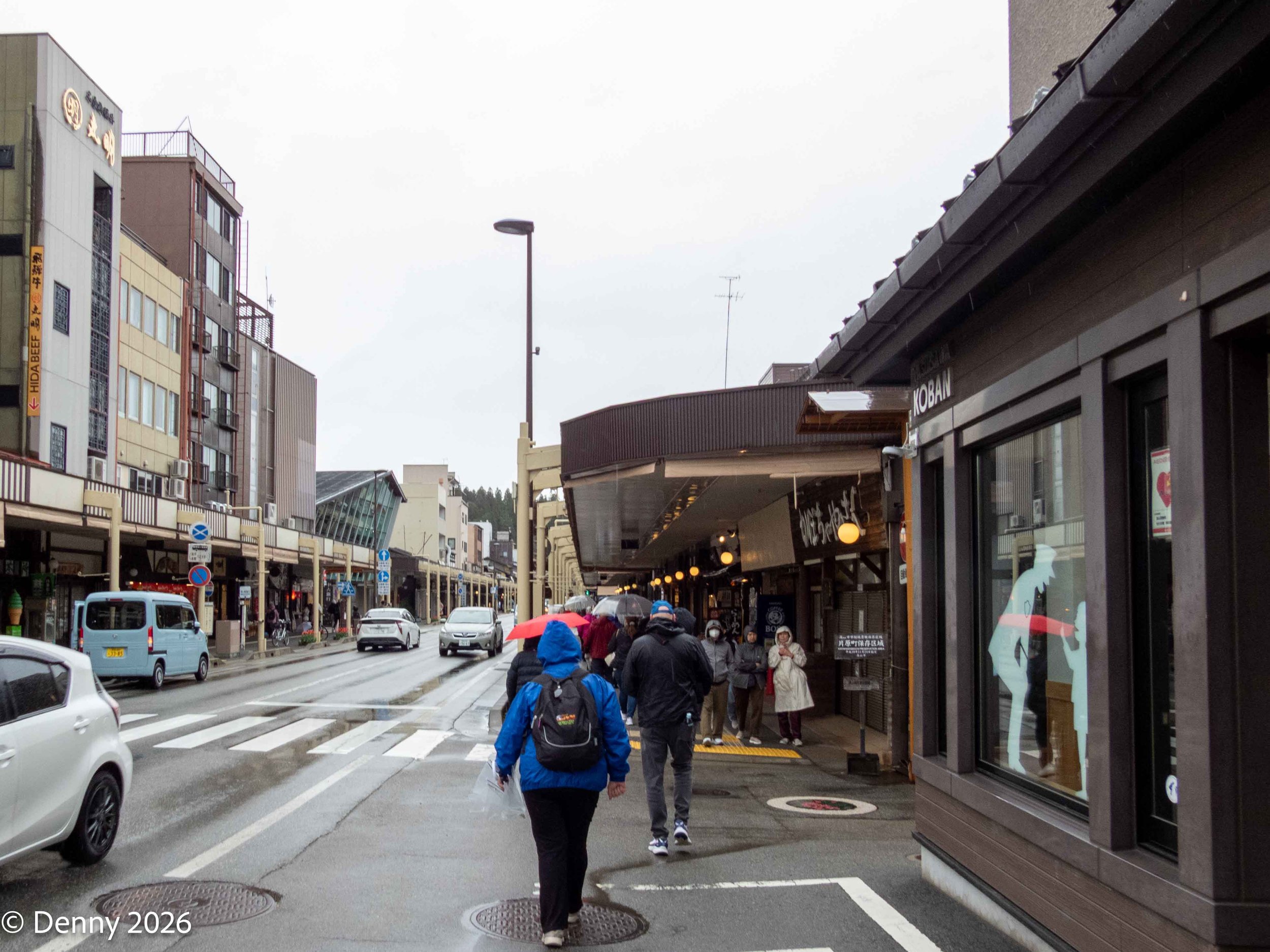
Group walking in the rain, Takayama
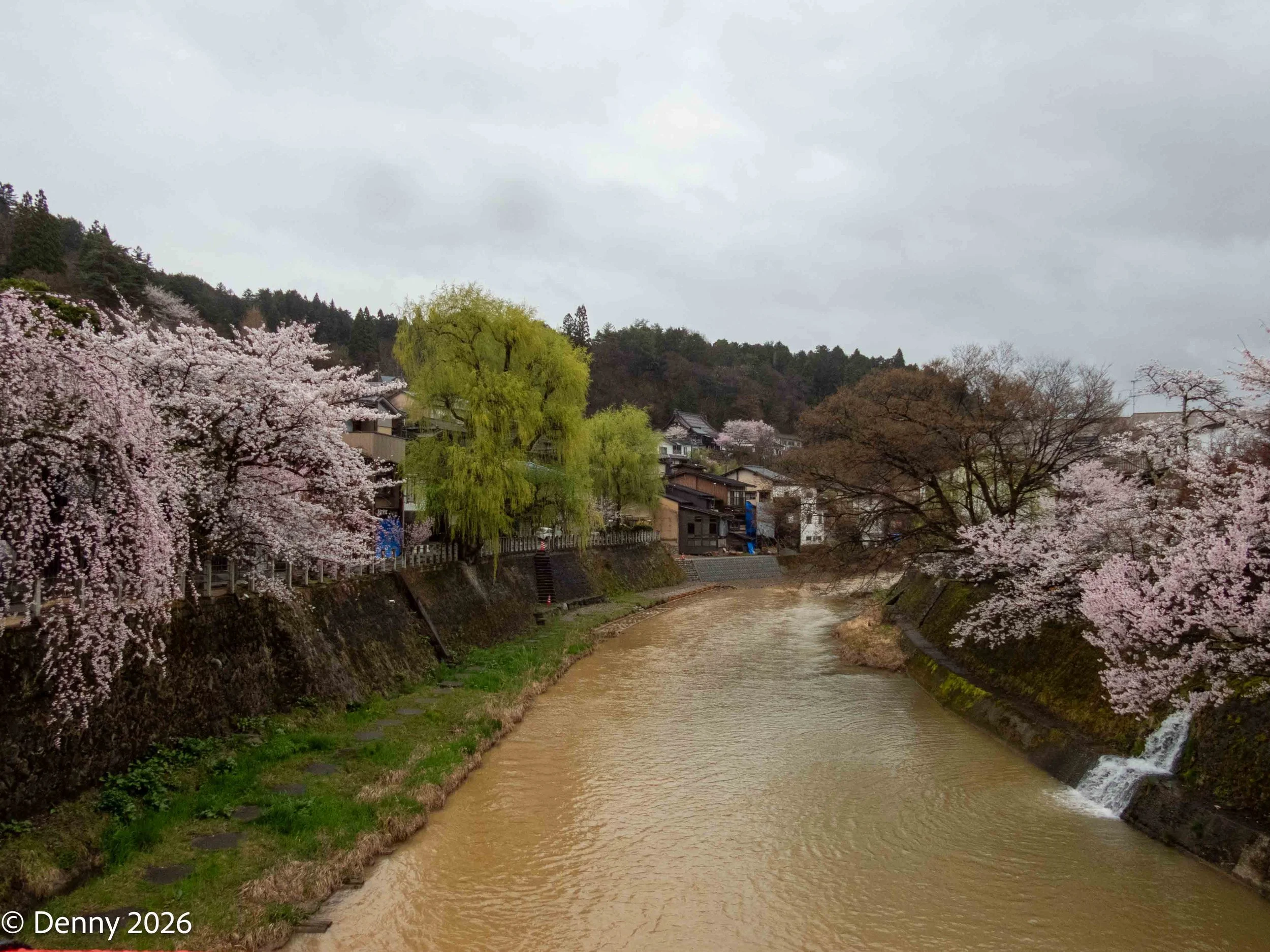
Cherry blossom, Miyagawa River, Takayama

Shop in main street, Takayama
To get out of the rain we visited the Takayama Jinya National Historic Site.

Entrance to Takayama Jinya National Historic Site
Takayama Jinya was a branch office of Edu Bakufu (government) from 1692-1868. The warrior government of the Tokugawa Shogun ruled supreme for 265 years and this site exhibits precious historical equipment and documents from that period.
The more captivating displays included raincoats made of straw, various wooden barrels, a tea ceremony room, woodworking equipment and an interrogation room.
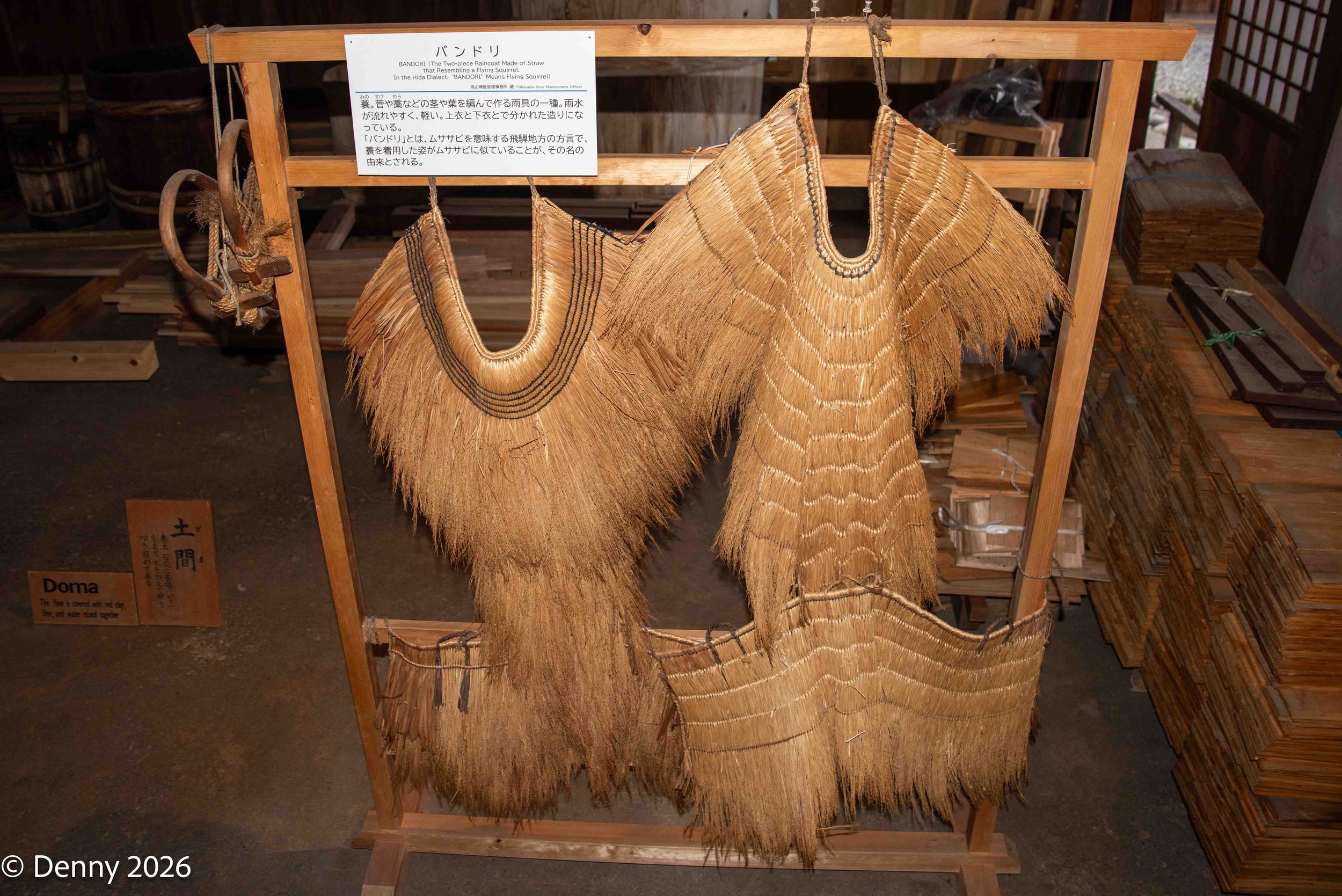
Raincoat made of straw, Takayama Jinya National Historic Site
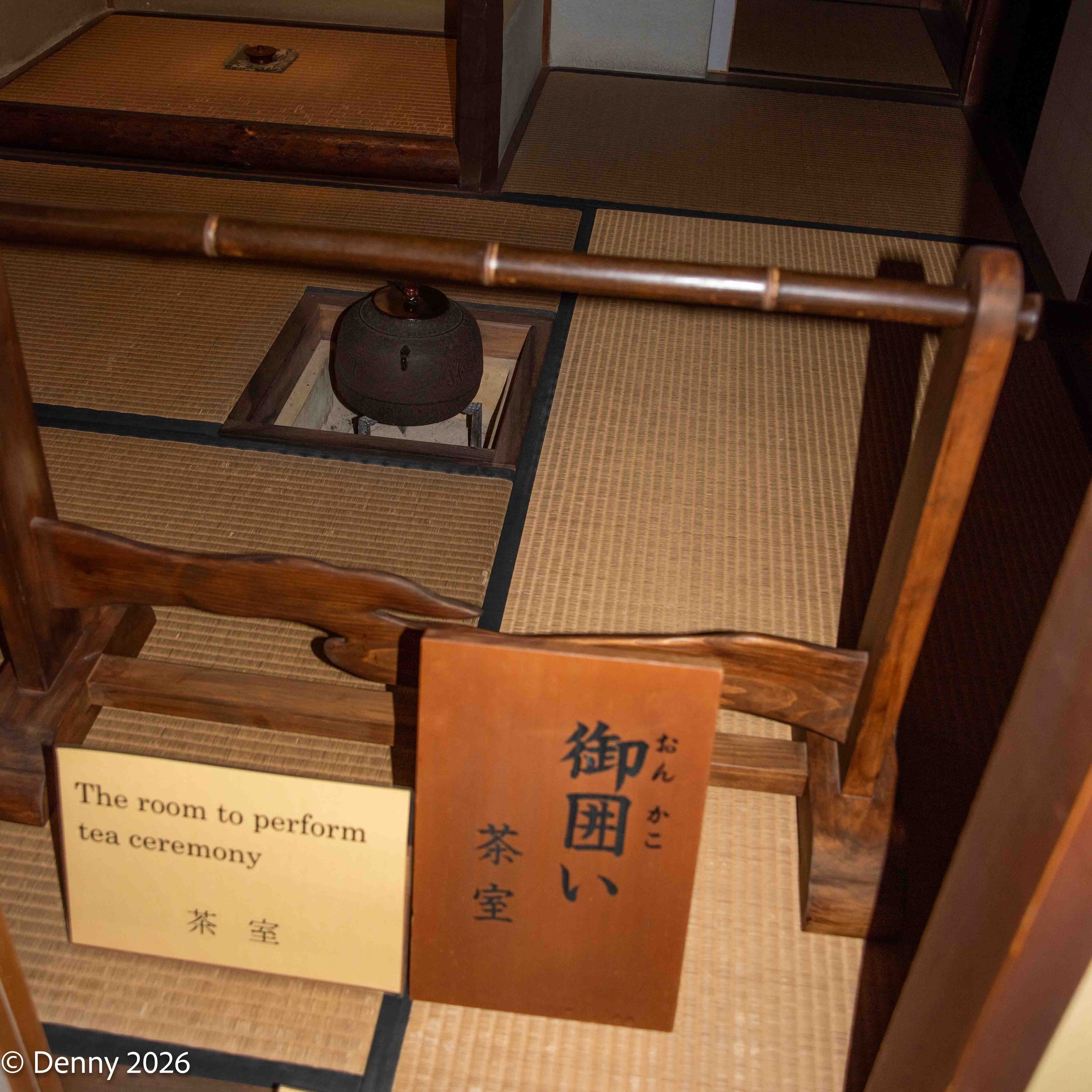
Tea ceremony room, Takayama Jinya National Historic Site

Glory box, Takayama Jinya National Historic Site

Wooden barrels, Takayama Jinya National Historic Site

Woodworking equipment, Takayama Jinya National Historic Site
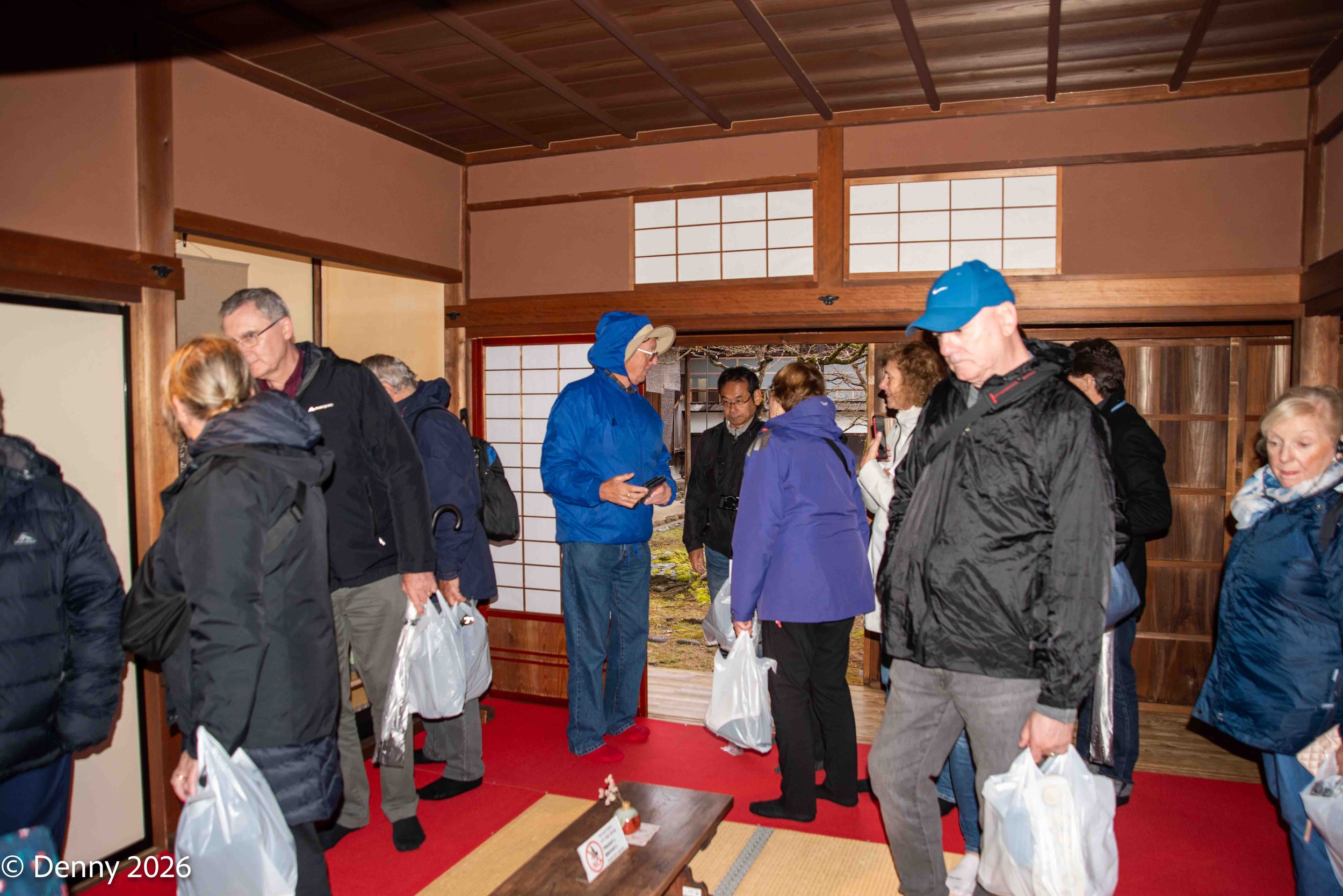
Our group, Takayama Jinya National Historic Site
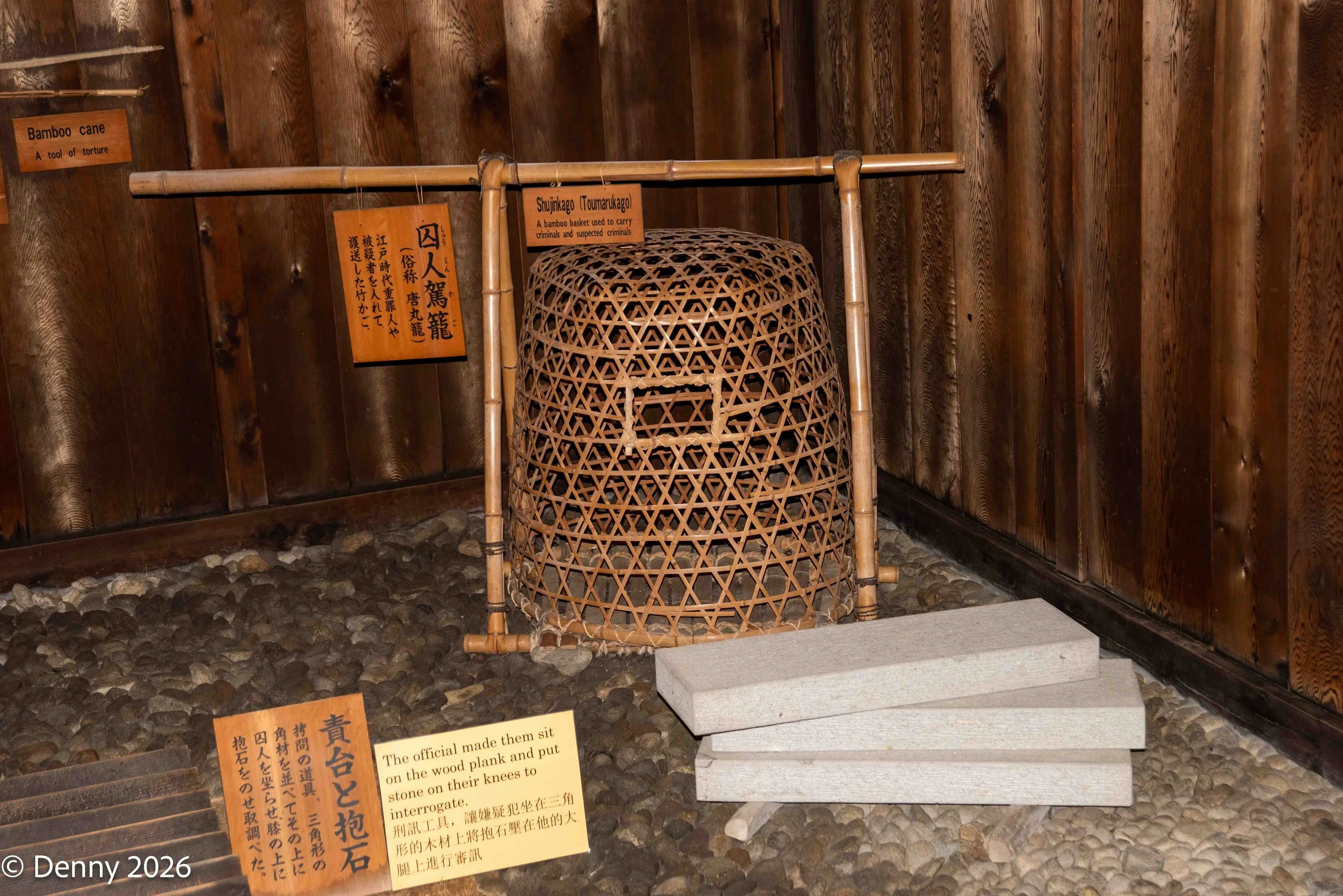
Interrogation Room, Takayama Jinya National Historic Site
The farmers of this time were heavily taxed and were forced to pay their taxes. As a reaction to this government pressure they sent rice stuffed into 60 kg straw sacks to the Edu Bakufu. Rice in these times was used as a financially negotiable commodity.

Straw rice sacks for tax, Takayama Jinya National Historic Site
A most interesting exhibit was that of a 1.5 m high shogun dressed in full armour and helmet. George Lucas, the director of Star Wars visited this museum and specifically used this shogun model as the basis for his character Darth Vader!

Shogun warrior (Darth Vader model), Takayama Jinya National Historic Site
We left the historic site and headed back to our hotel for warmth and rest but on the way dropped into a local store for provisions.
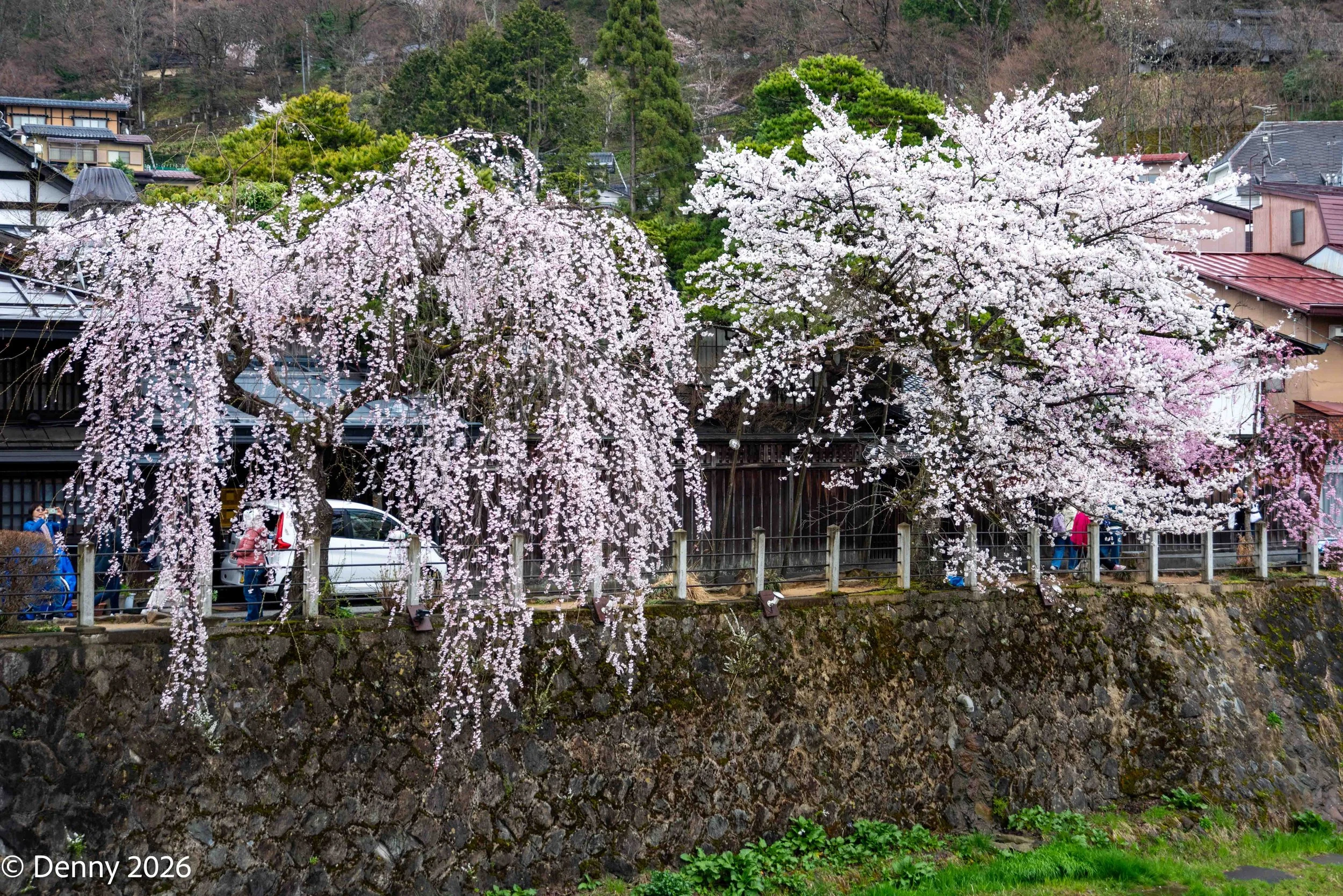
Cherry blossom, Takayama
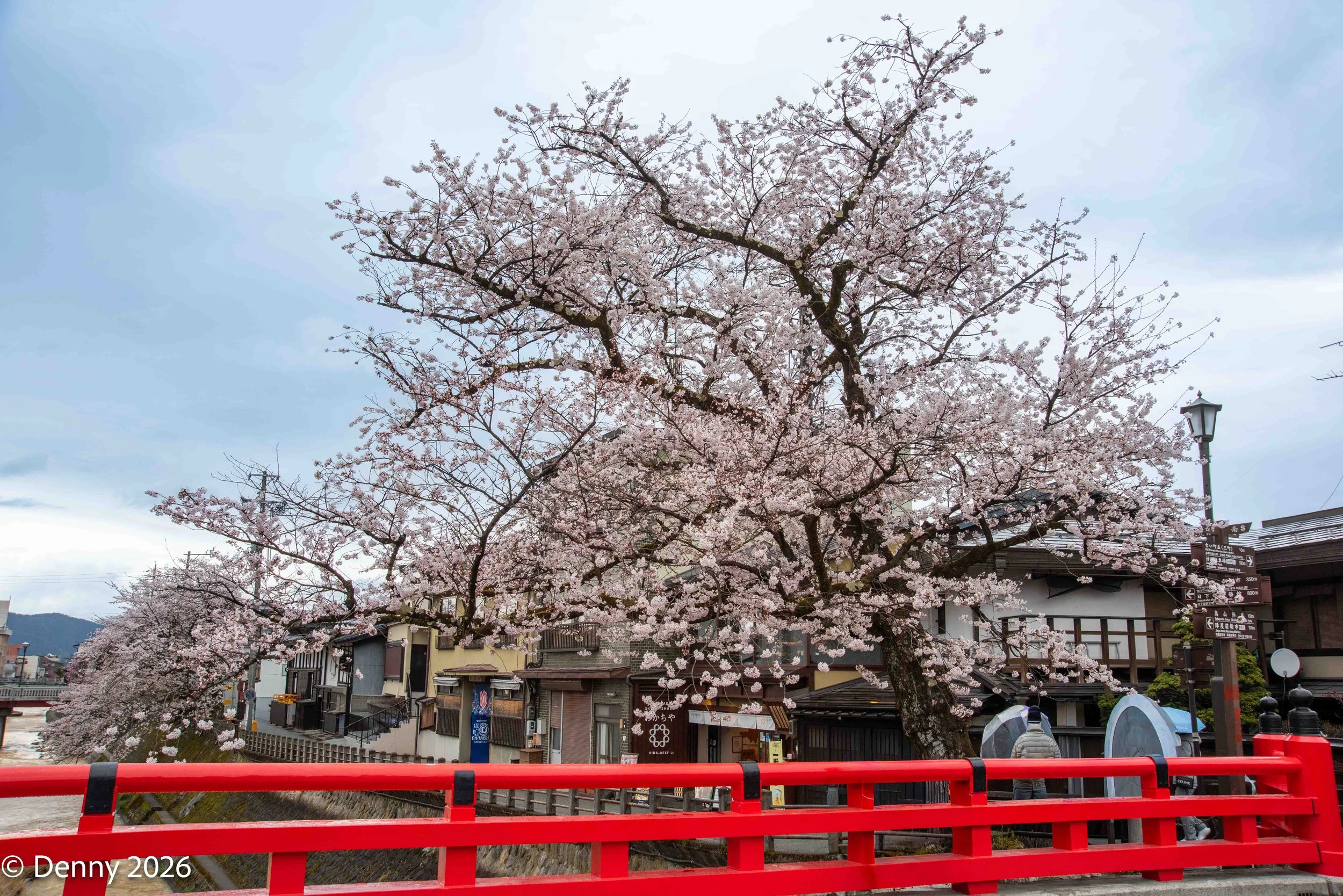
Cherry tree at “Nakabashi” Bridge that spans across the Miyagawa River., Takayama
Tomorrow we’ll explore this town and two others nearby, hopefully in more appealing weather conditions.