
After an early breakfast we loaded our luggage onto the bus and proceeded southwards from Seoul on the main highway that heads towards Busan.
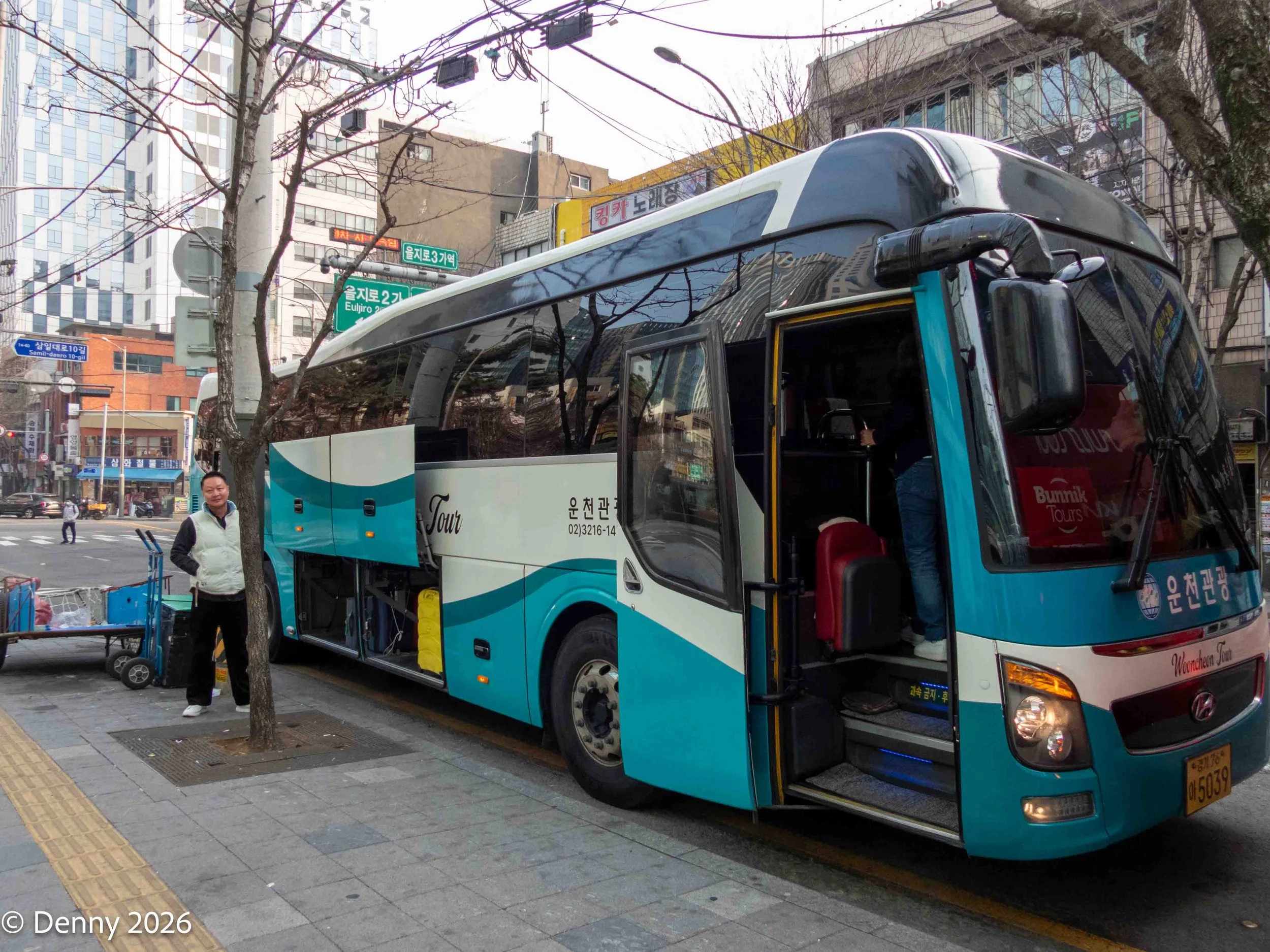
Mr Kim (our driver) with our bus, Seoul
In the southern suburbs there is a major US military base which has occupied this area since the Korean War ended in July 1953.
The first twenty kilometres of travel was through regions of high density residential accommodation as indicated by the never ending multi-storied blocks of flats.
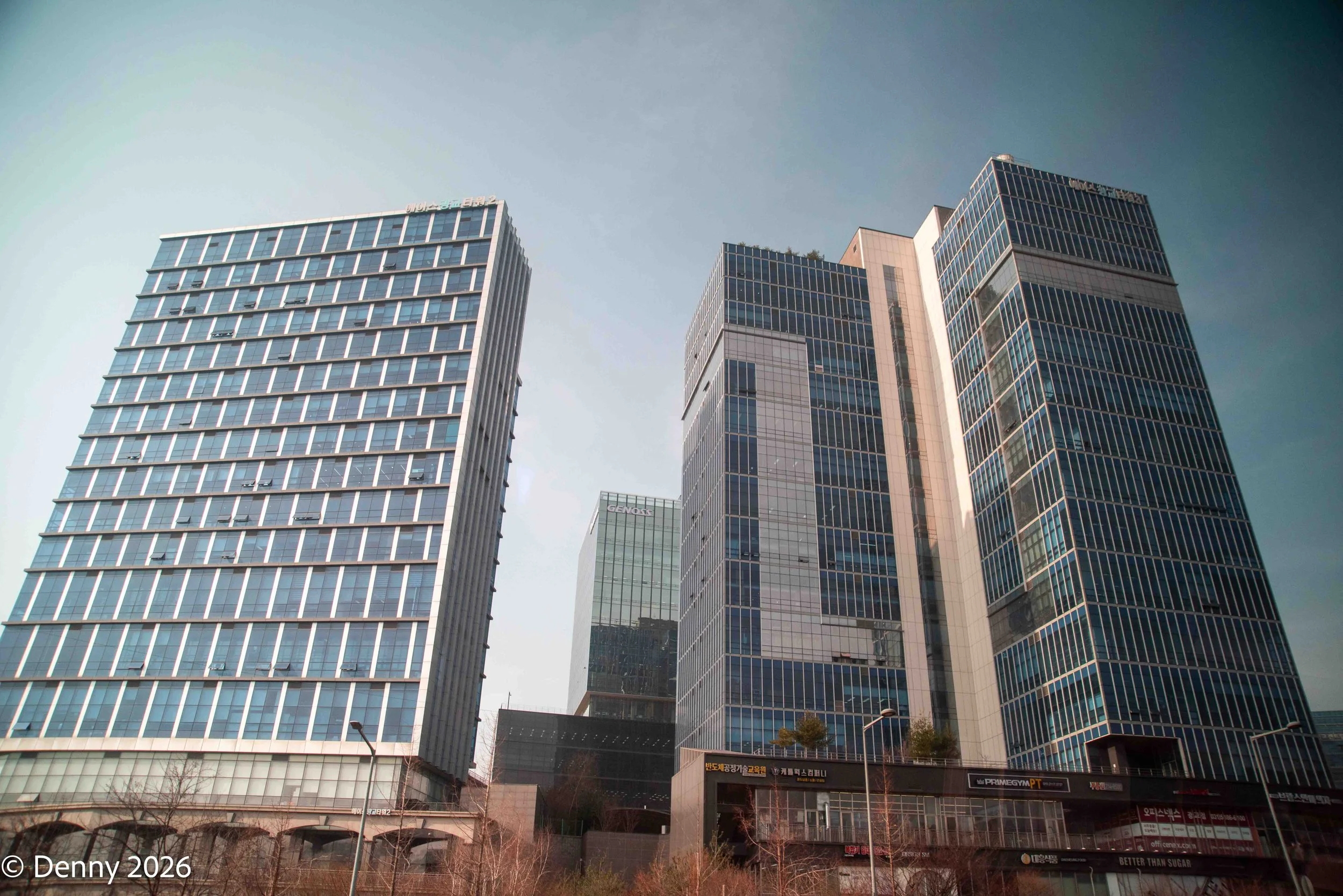
Multi-storied buildings, Seoul
Further south we diverted further to the west to head for Suwon. The landscape now changed to mostly flat agricultural areas with numerous rice paddies being prepared for springtime planting. In addition we encountered areas where there were kilometres upon kilometres of plastic covered hemispherical greenhouses for the production of tomatoes, strawberries, capsicums and other vegetables.
After an hour we arrived at the old fortress city of Suwon which is the capital of Gyeonggi Province.
The name Suwon means ‘water source’ which has its ancient derivation from the many high quality artesian wells in the area.
Before visiting the fortress we spent an entertaining forty minutes or so having an archery lesson followed by target practice.
Our coach gave us instructions that Monica translated and after an initial session we were assigned ten arrows to fire at a (1m x 1m) target about 50 m away. Most of us had minimal success but some of our last arrows hit the target but certainly were not bullseyes!
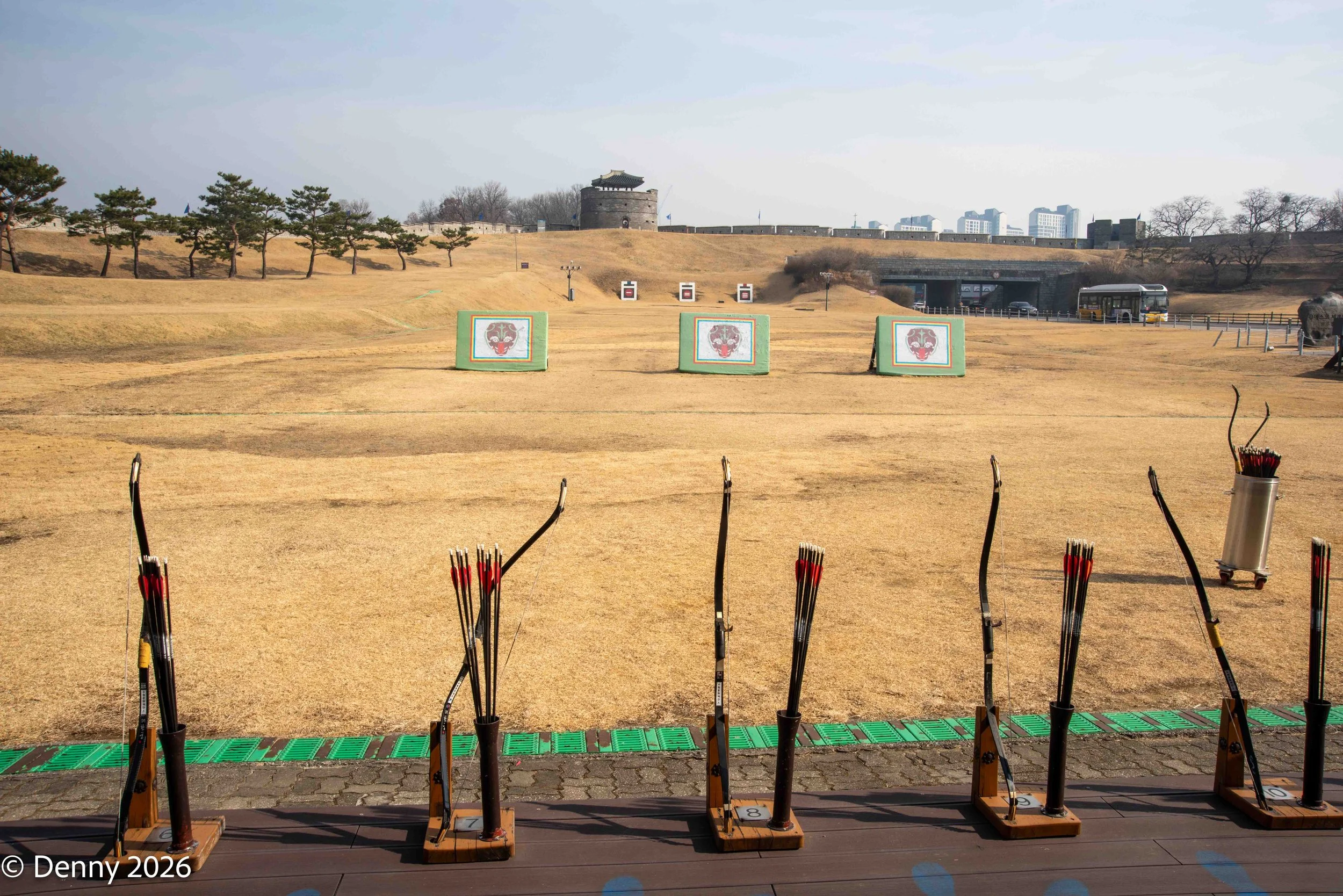
Traditional archery, Suwon Hwaseong
The main historical sight in Suwon is the Hwaseong Fortress that was built to surround the old Suwan. The external fortress wall averages 9 m in height and meanders for 5.5 km around the old city. The granite stone block wall incorporates elaborate gates and several other historical architectural facilities including parapets, embrasures, floodgates, observation platforms, cannon stands and domes.
Construction of the fortress began during the reign of King Jeongjo (1776-1800) in memory of his father Prince Sado.
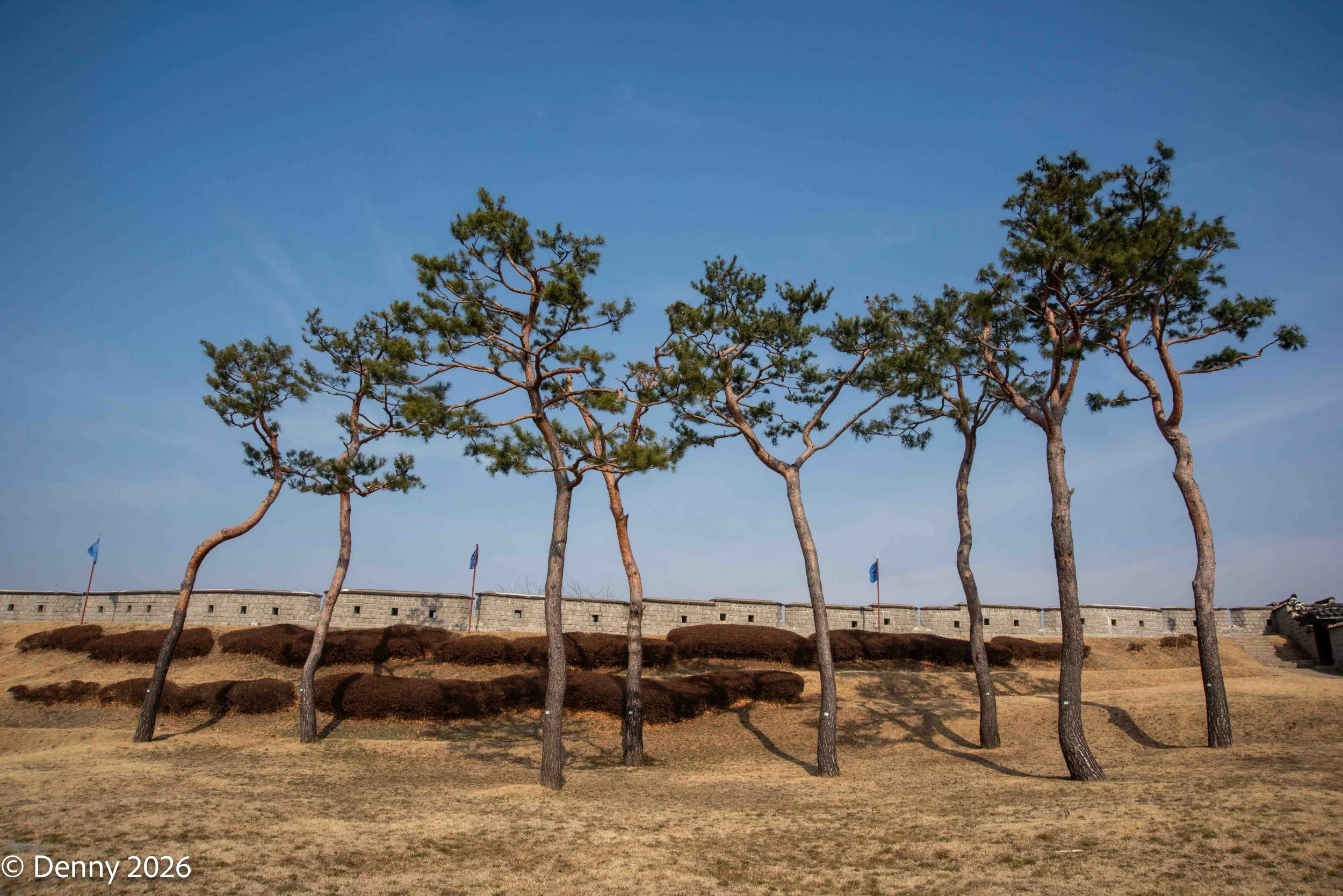
Conifers, Suwon Hwaseong
We spent an hour wandering along the top of the wall and noted that substantial sections of the wall have been restored. We were informed that this work was undertaken in the late 1970s in a major project funded by the South Korean government.

Suwon Hwaseong Fortress

Stone wall, Suwon Hwaseong Fortress
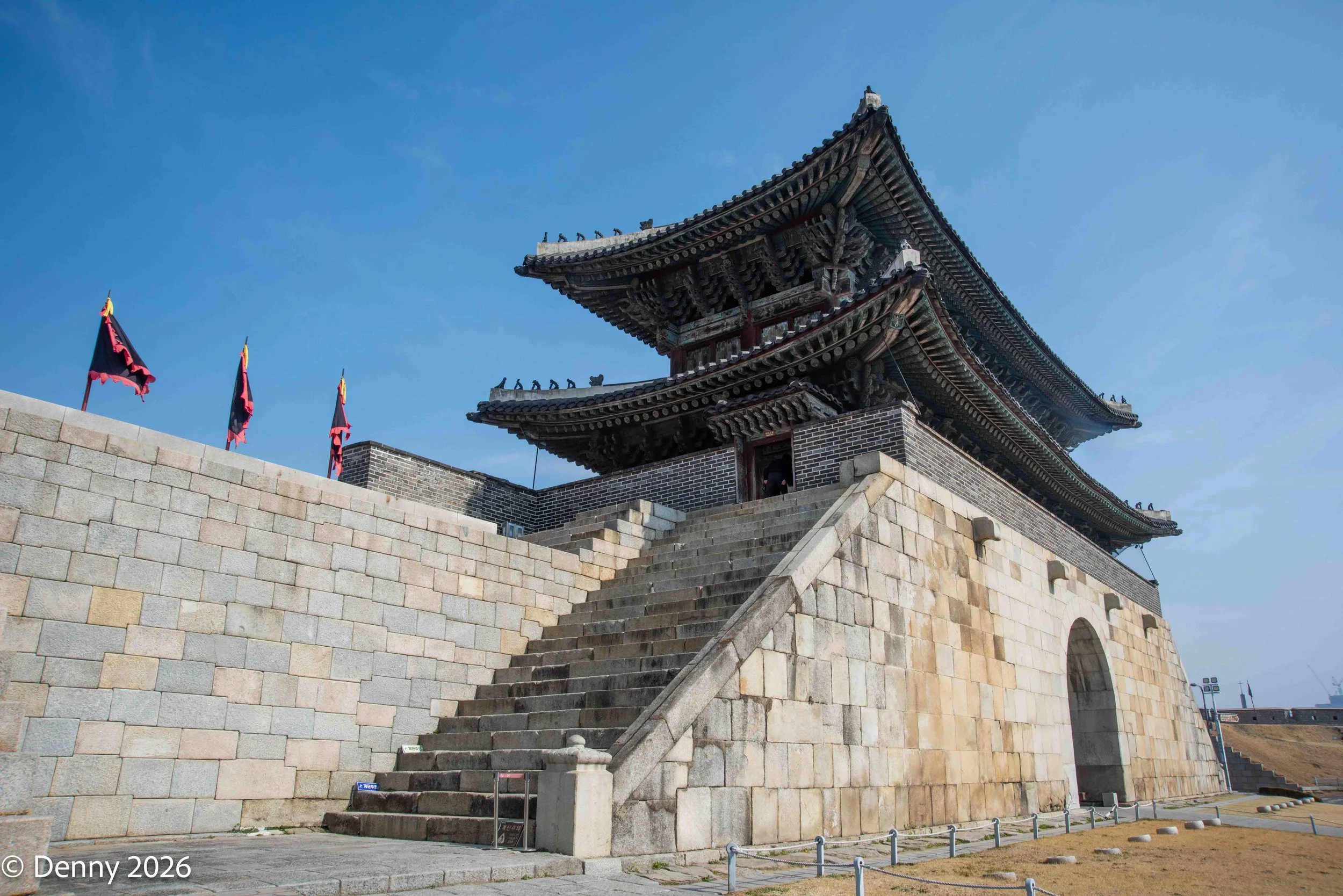
Suwon Hwaseong Fortress
Having departed Suwon we finished our day’s southern travel at the city of Jeonju.

Agricultural land en route from Suwon to Jeonju

Bridge and agricultural land en route from Suwon to Jeonju
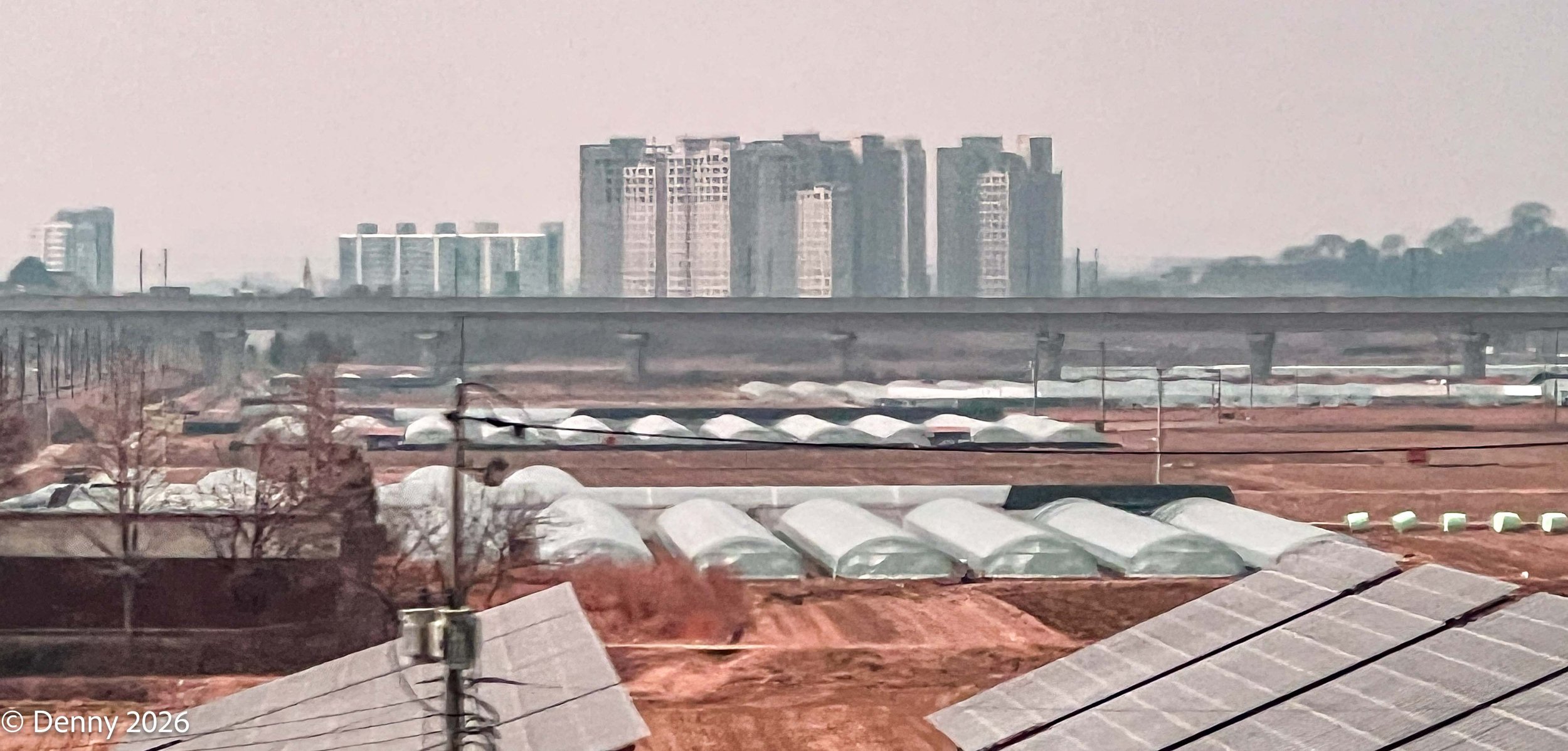
Agricultural land en route from Suwon to Jeonju
Jeonju was to provide us with a special introduction to Korean culinary specialties with a lunchtime gathering at a restaurant specialising in bibimbap.
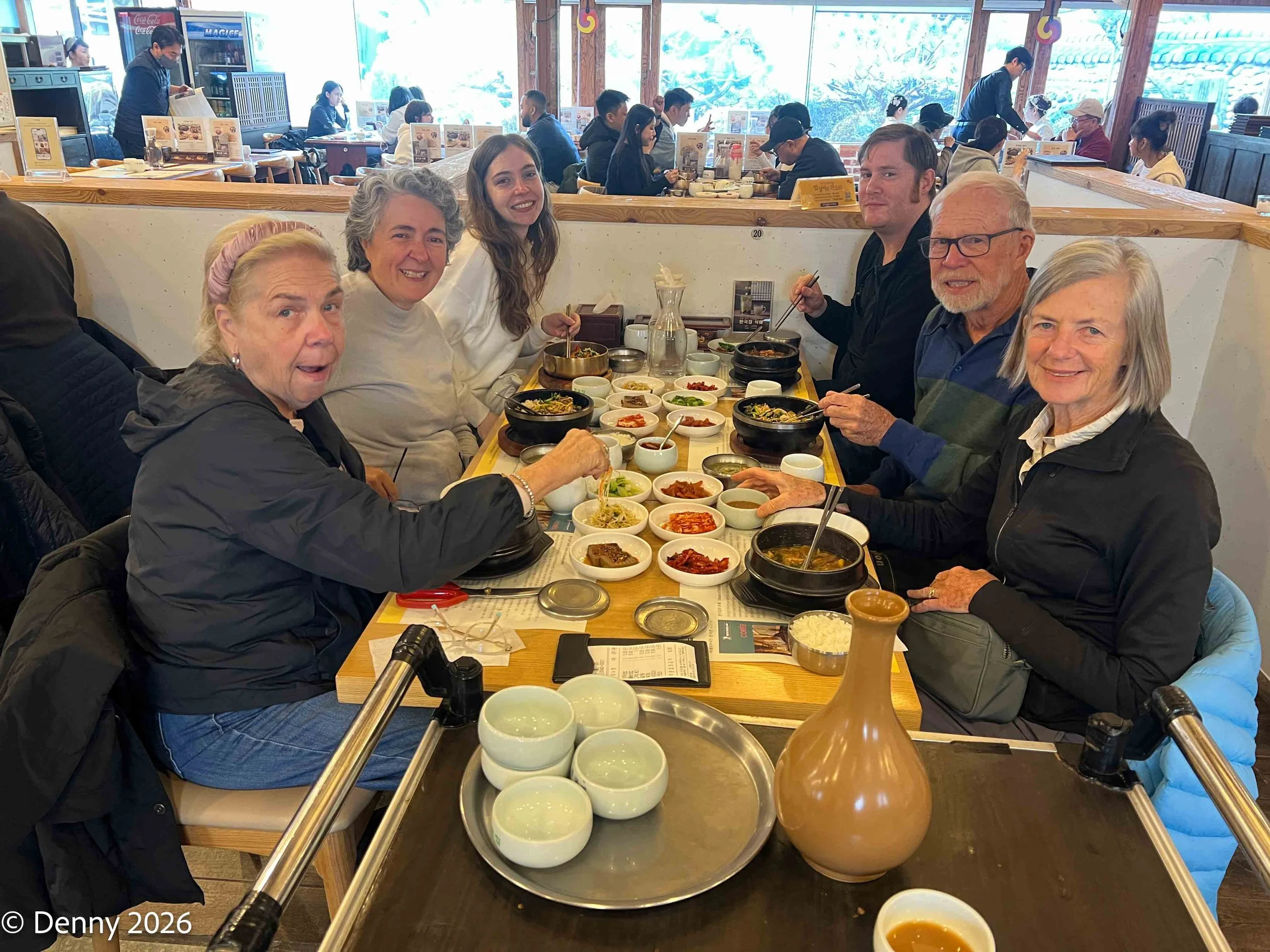
Our lunch gathering at Jeonju
Unbeknown to us bibimbap is one of the most famous Korean foods worldwide. The dish we tried was beef bibimbap which comes in a very hot bowl with boiled rice in the base and the top covered in various vegetables, seaweed, tofu, egg and especially beef strips. The ingredients are then to be mixed together and enjoyed which certainly we did. There were other side dishes to supplement the bibimbap and there are a number of variations to bibimbap including sanchae (mountain roots), raw beef and octopus to name but a few.

Our group outside the restaurant
For the next two hours we had free time in Jeonju during which we wandered through the streets of this tourist town which was particularly quiet due to it being Monday.
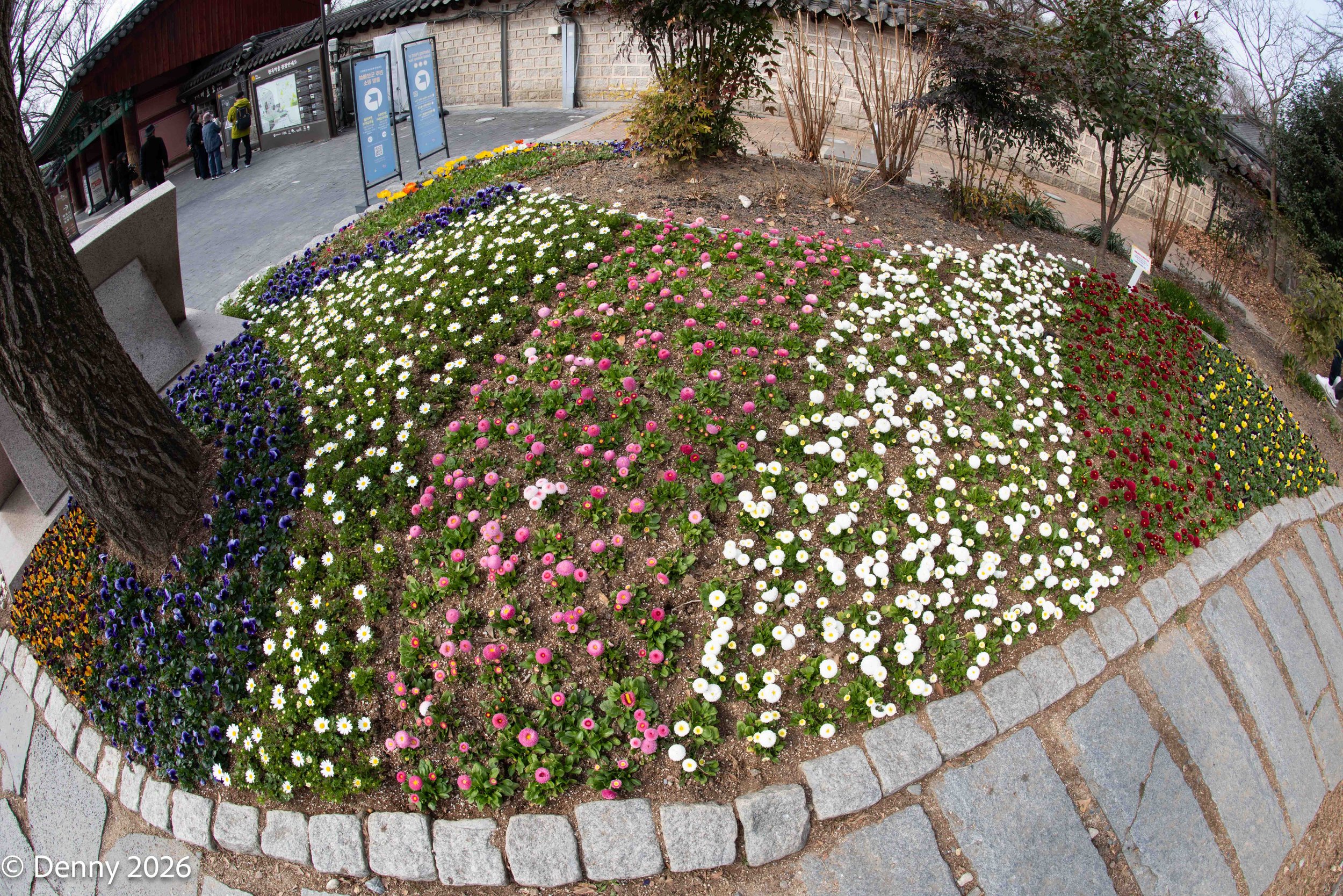
Spring flowers in garden, Jeonju

Spring flowers in garden, Jeonju, South Korea, 16 Mar 2026
In the main area there were the ubiquitous tourist souvenir shops and cafes but surprisingly we found quite a few places specialising in tarot cards, fortune telling, hand reading and iridology. One of the fortune tellers was absent from his shop and came rushing back as we neared. We suspect that he’d been called away by unforeseen circumstances!
The streets were decorated along the way with beautifully manicured flower gardens and decorative shrubs some now coming into their springtime blossoms.
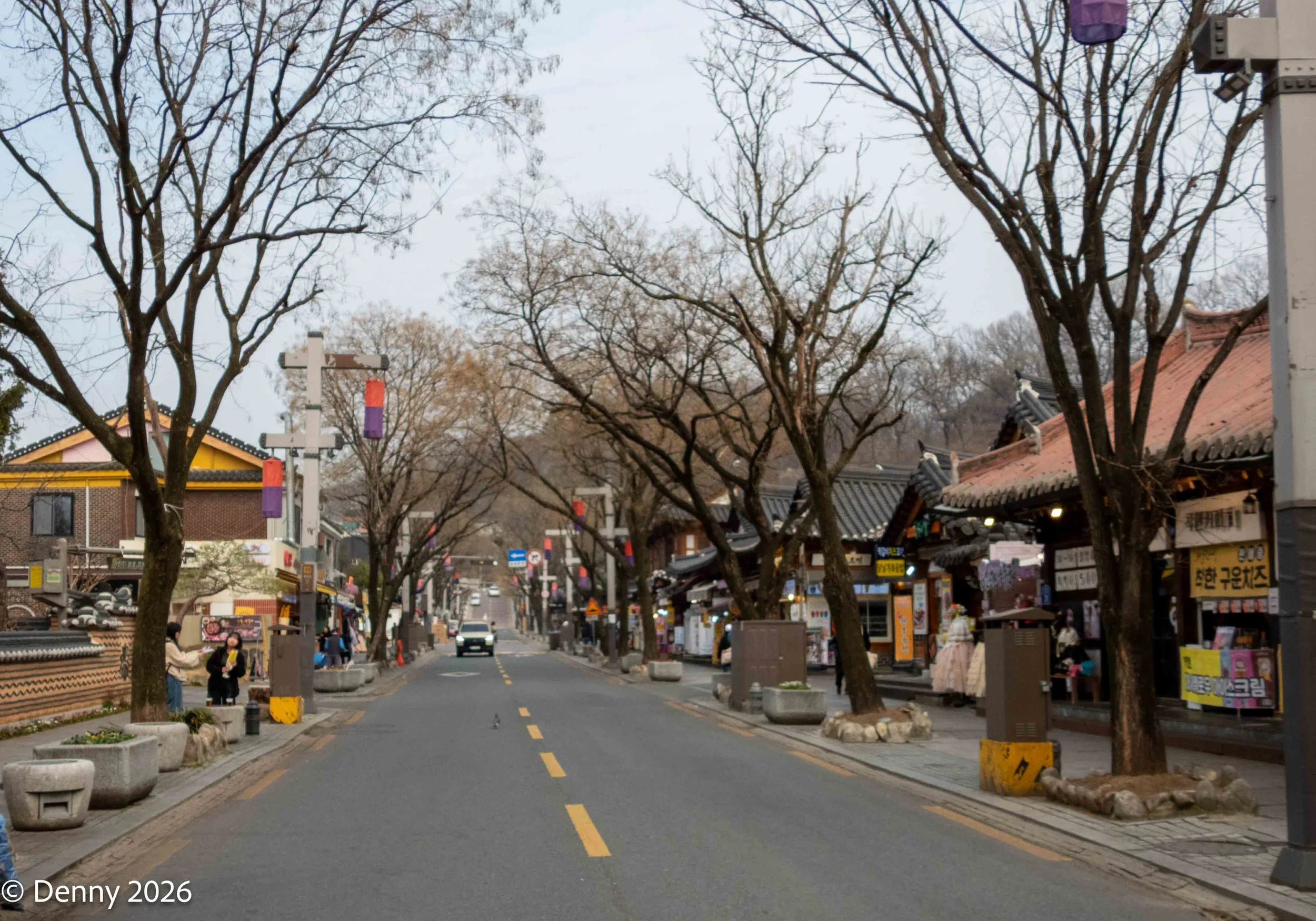
Main tourist street, Jeonju
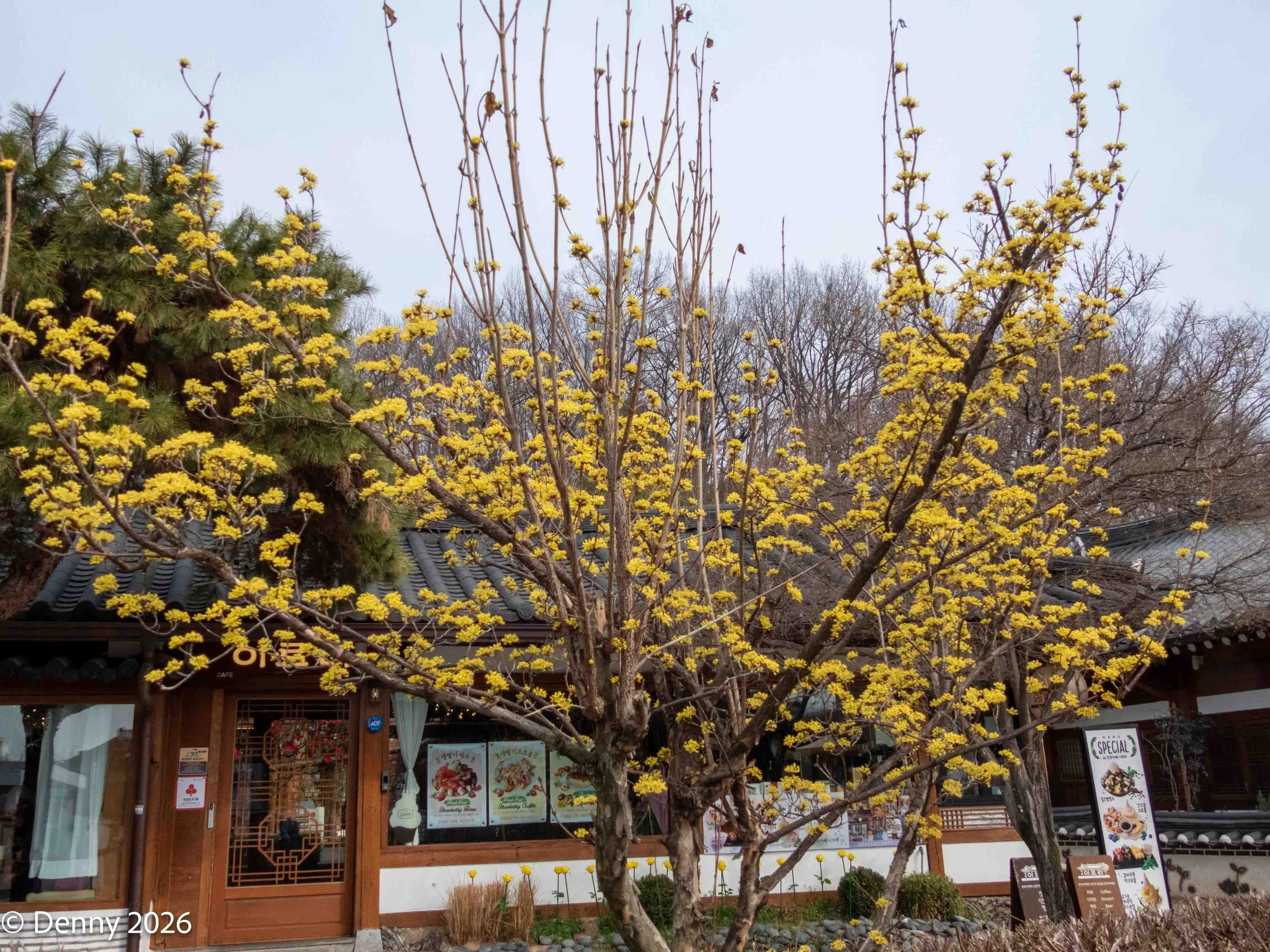
Blossom
The local Catholic Cathedral is an impressive and imposing structure being built in 1914 on the site of the holy historic martyrs who in the 1790s refused to follow the Confucian tradition of obeying ancestral rituals. The cathedral’s foundation outline represents a silhouette of the Virgin Mary providing you have a flexible imagination. In the grounds of the cathedral is a massive ginkgo tree underneath which sits a bronze statue of the priest Francois Baudounet who was the principal instigator in having the cathedral built.
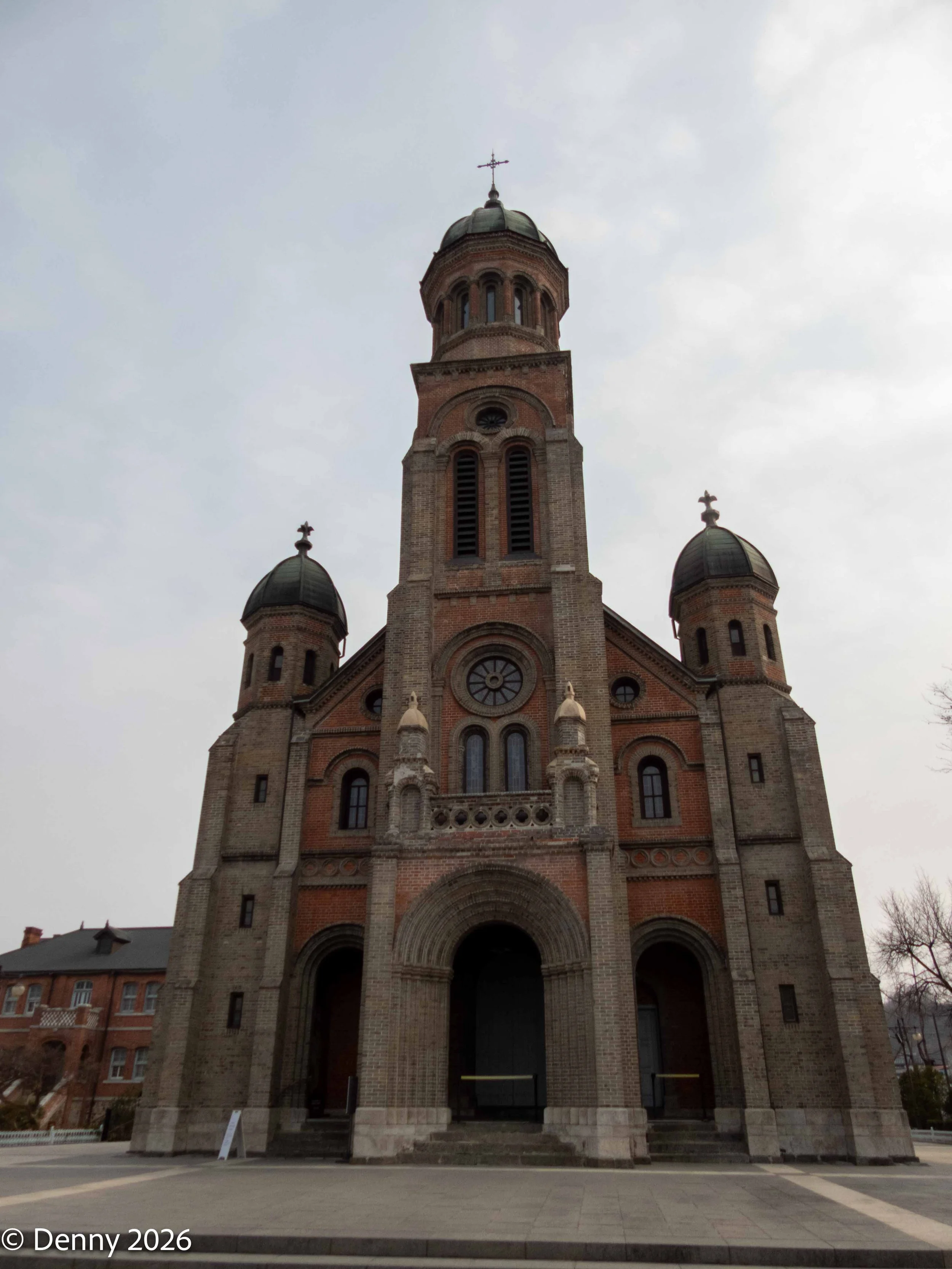
Roman Catholic Church
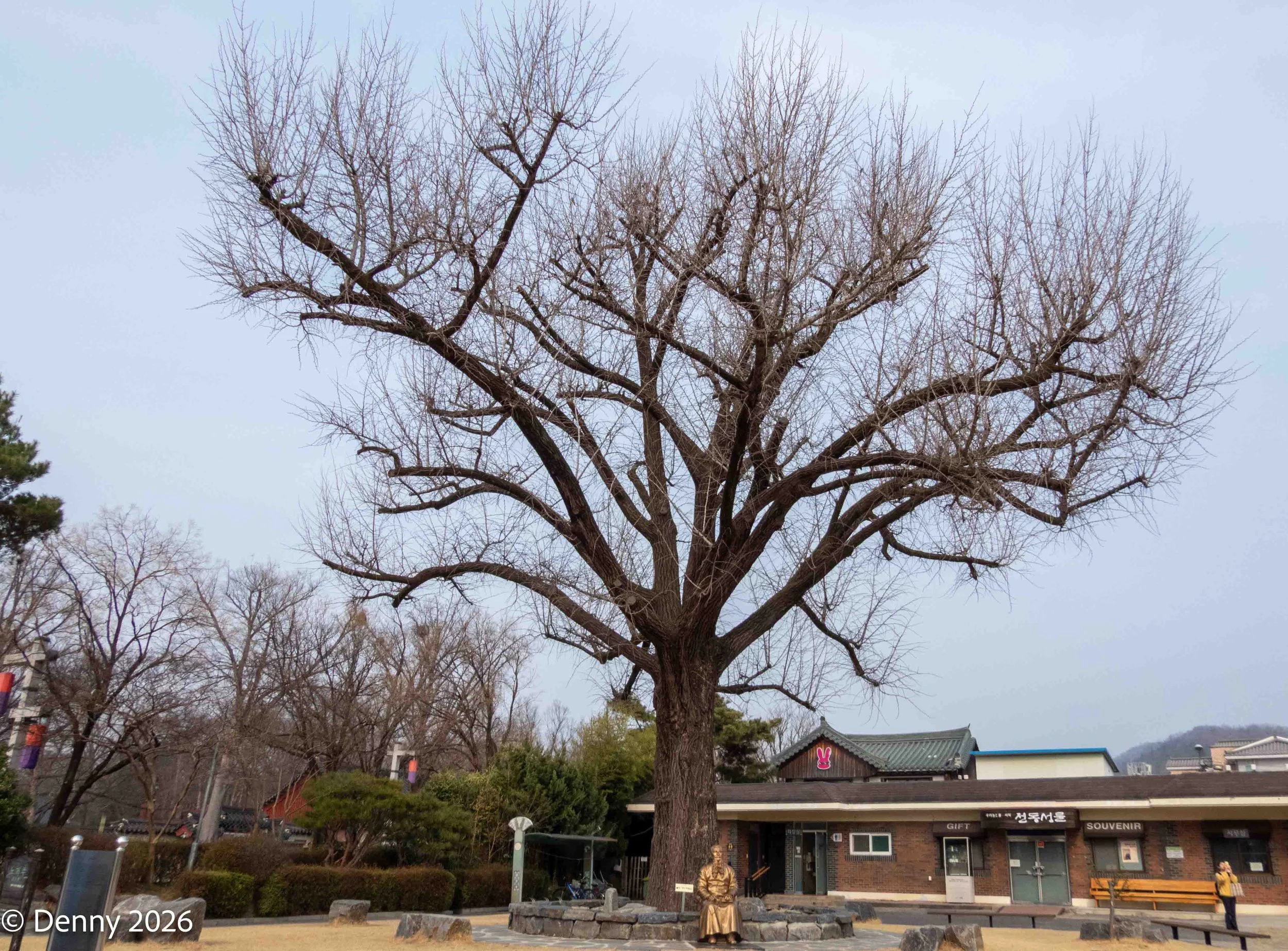
Gingko tree in church gardens, Jeonju
We finished the day’s activities with an entertaining session in a local restaurant learning the art and culinary skills needed in the preparation of kimchi (sometimes referred to as gimchi).
Kimchi is institutionalised in Korea to the same extent that curry is to India. Without doubt it is the most commonly included component of Korean meals and its production is featured both domestically and at nation-wide festivals.
Our delightful kimchi teacher showed us the preparation of the cabbage, its salting stage and the making of the kimchi sauce. The sauce used is a complex mixture of spices (especially garlic and chilli powder) and vegetables which eventually provide the fermentation basis for the cabbage to become delectable and tangy.
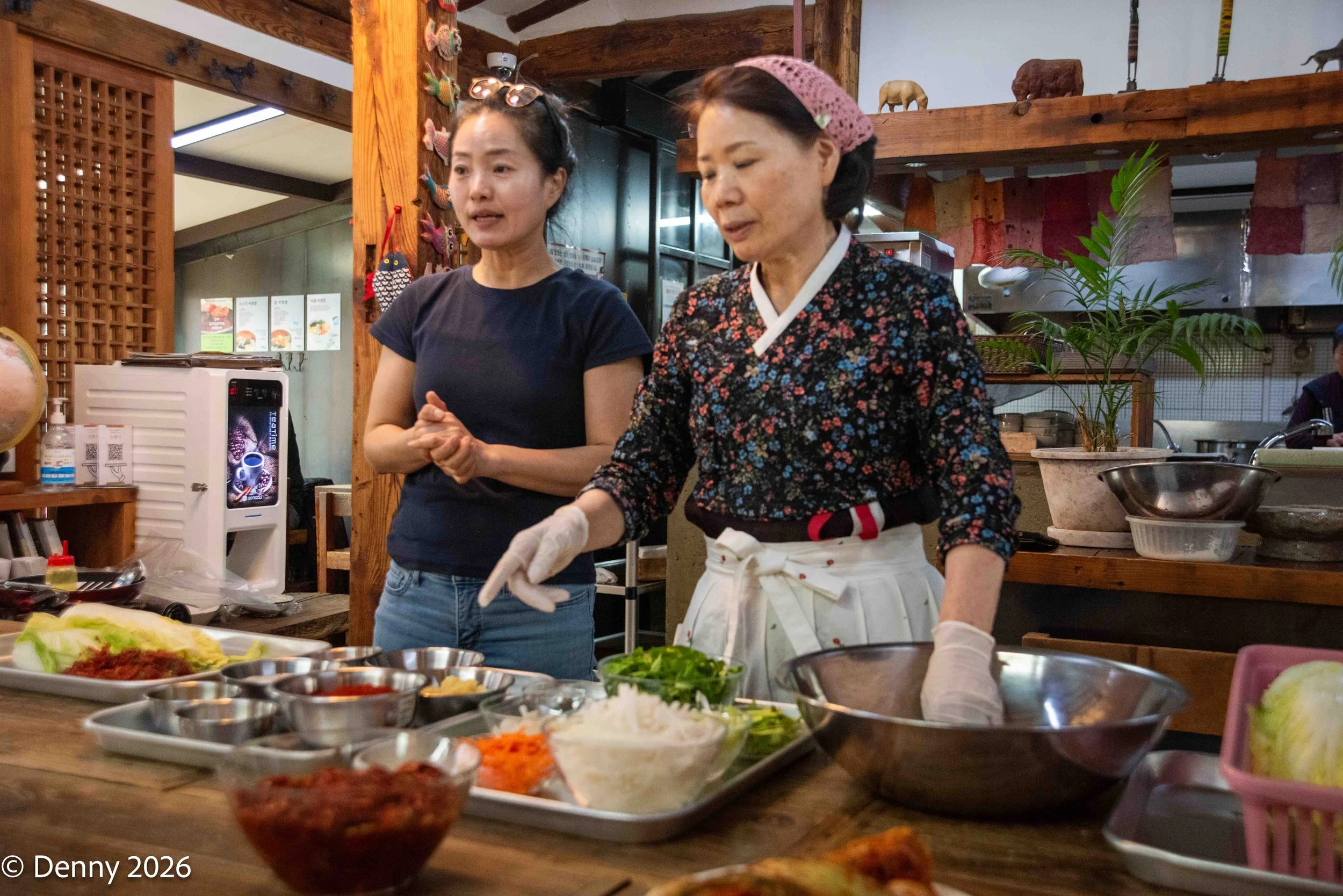
Preparation of kimchi
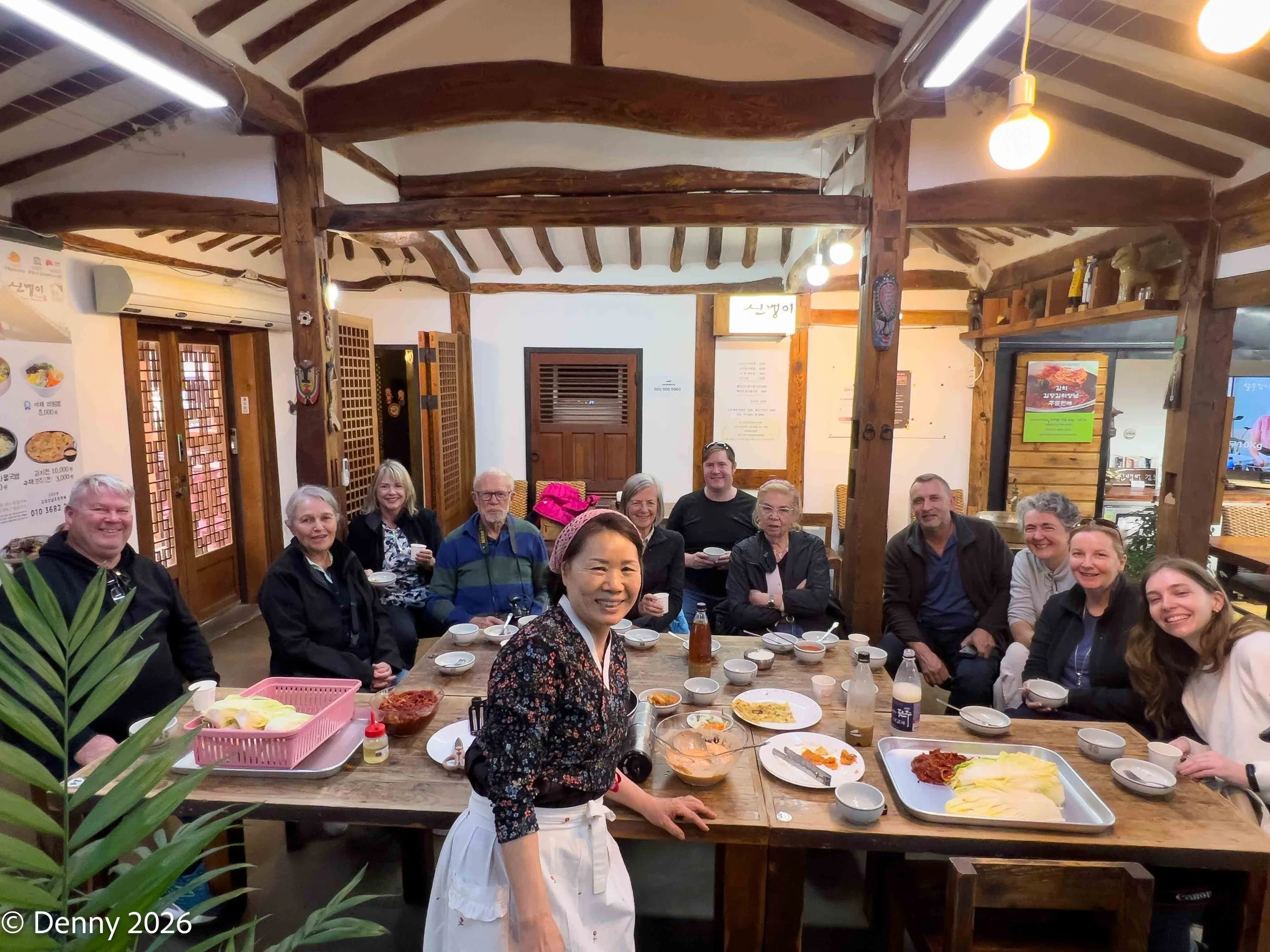
Preparation of kimchi
Our kimchi instructor then cooked some pancakes made from a kimchi base. We tried these tasty morsels of vegetable based pancake together with some local alcoholic drinks one of which was super sweet cinnamon based.
We finally met up with our bus driver Mr. Kim again and were driven to the Best Western Jeonju Hotel where we’ll stay for just one night.
Tomorrow we head further south to end up at Gwangju with the day including a longer walk to a Buddhist temple and a visit to a hot spring spa bath.