
Having departed Yeosu we headed northwards away from the sea until after an hour we approached the Jurisan National Park. There are a number of small Buddhist temples within the valleys of Mt. Jurisan of height 1915m. We had two hours to visit one of the more famous Zen Buddhist temples, that being Ssanggye-sa Temple.
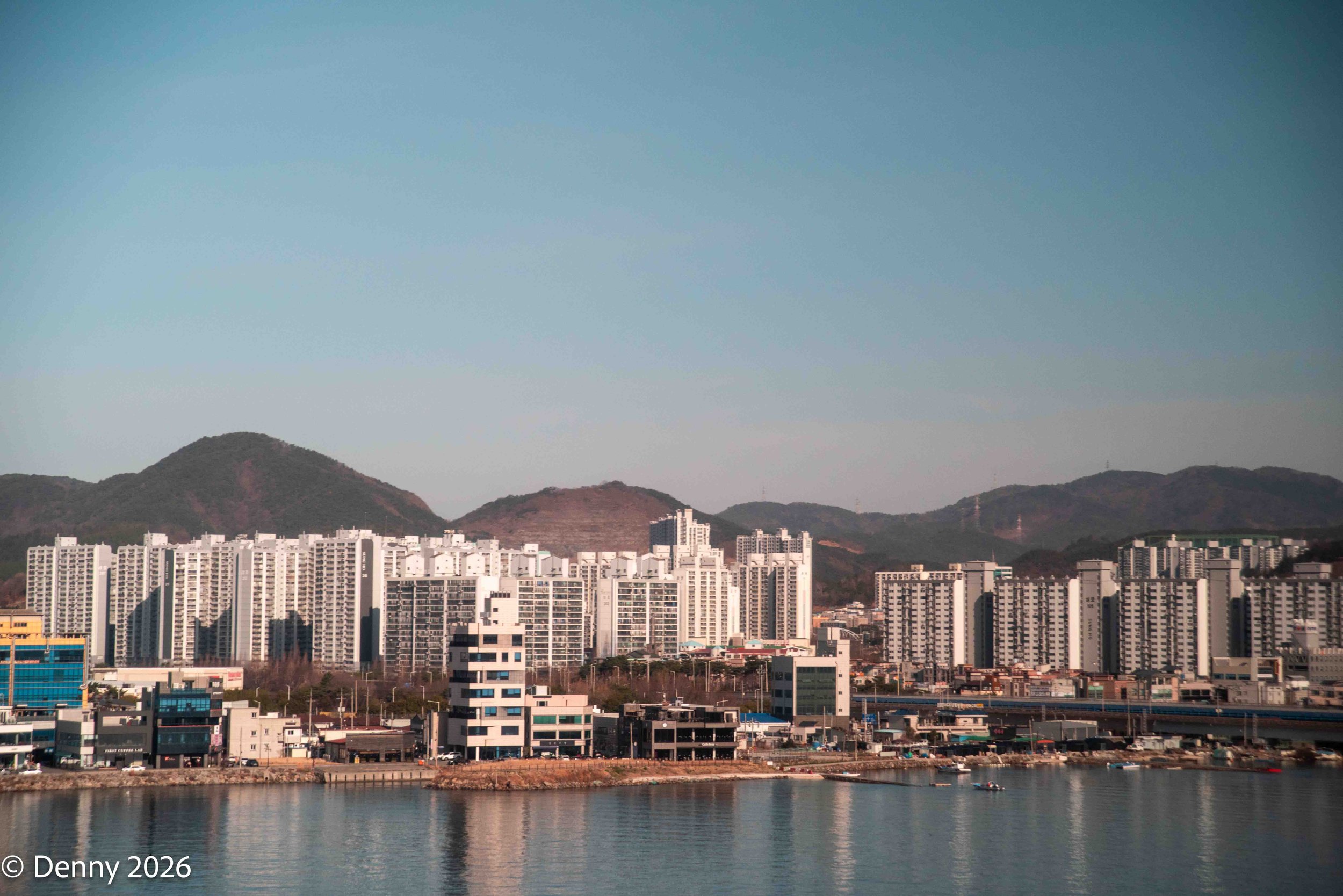
Leaving Yeosu

Red bridge en route from Yeosu to SSanggyesa temple
According to legend the temple was founded by Priest Sambeop in 732 AD during the Silla Dynasty. Sambeop dreamed of becoming a disciple of the great Buddhist master Hyeneung but Hyeneung died before Sambeop realised this dream.
However, Sambeop gained some compensation by bribing a priest at the master’s Gaiyum Temple in China and stealing Hyeneung’s skull. Sambeop then made his way to Jurisan where he built a shrine for his pilfered relic. This shrine progressively developed over the next thousand years to become the Ssanggye-sa Temple we visited today.
The temple is located in a peaceful valley with a steam flowing through the grounds which have attractive trees and an avenue of cherry trees that were just starting to blossom. There is tall pagoda at the top of the main walkway.
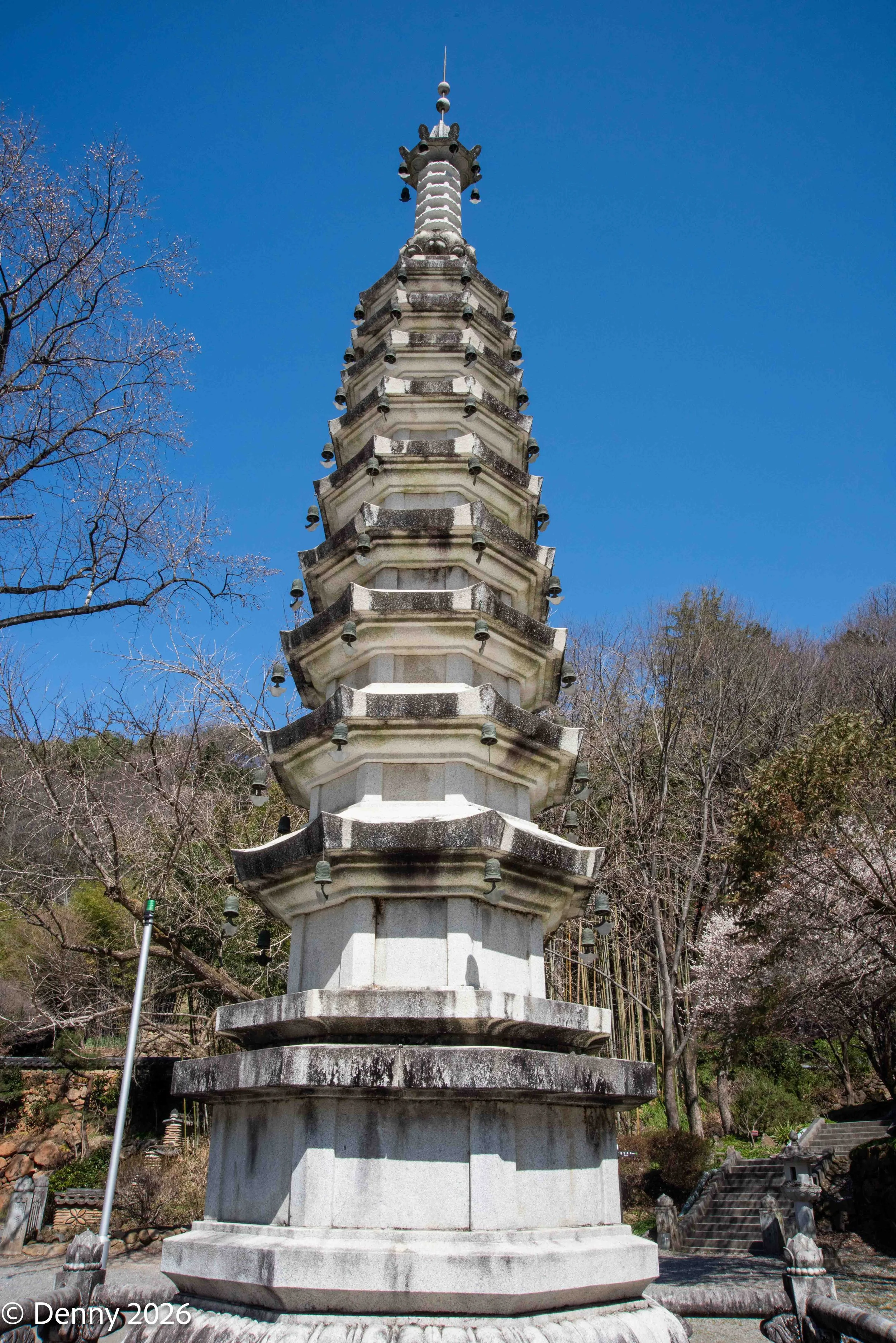
Pagoda
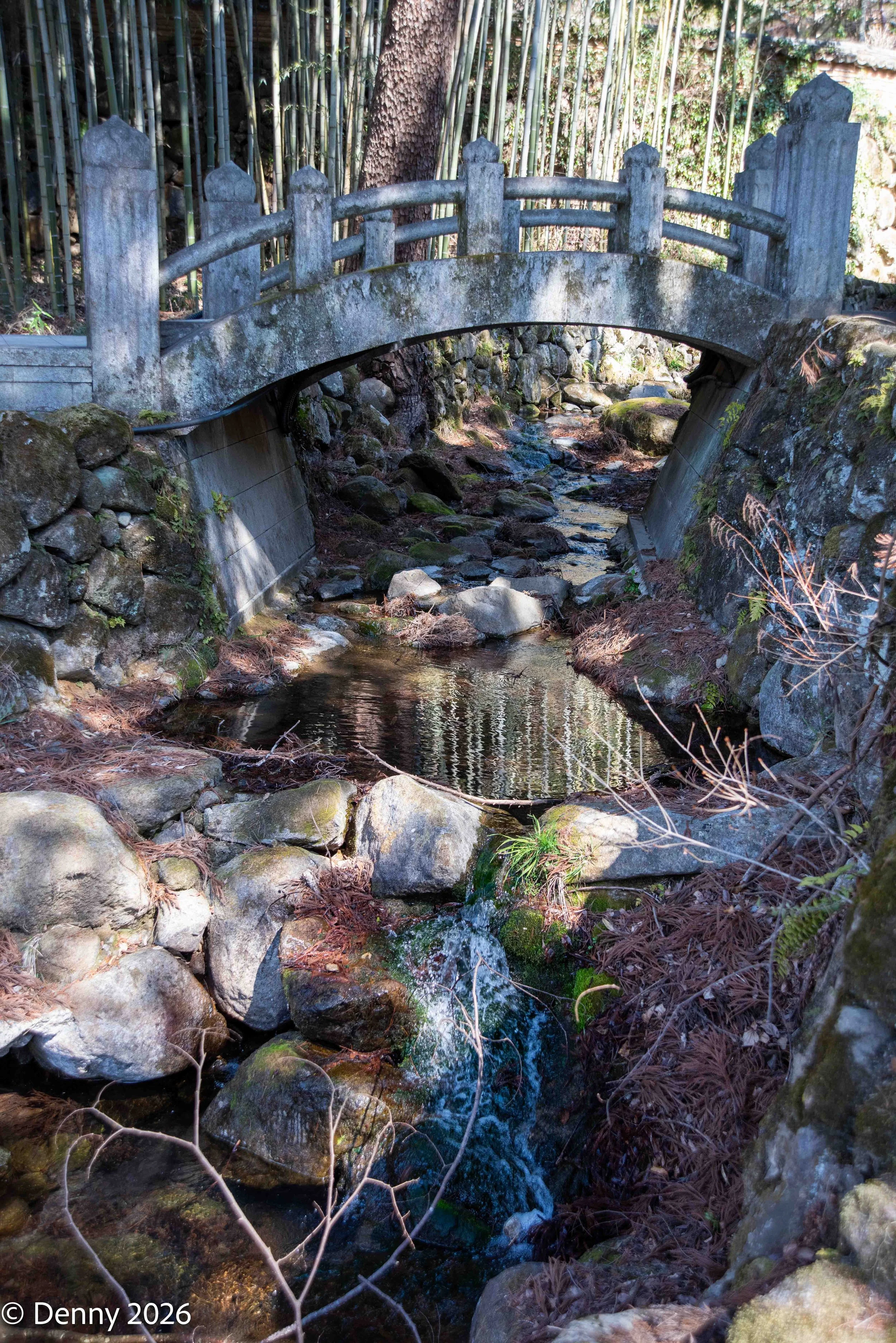
Stone bridge over stream
We spent an hour having a tea ceremony with a Zen Buddhist monk from the monastery who kindly answered our questions via our guide Monica who did a great job as interpreter. The monk then led us on a brief but relaxing moment of meditation with the theme being one of self-reflection.

Tea ceremony with the monk
After the tea ceremony we took photos of the monk and his lovely assistant and then spent time enjoying the gardens and bird life. It was a most enjoyable two hours in this sacred location.

Our host

Our host’s assistant

Our group with monk, SSanggyesa temple
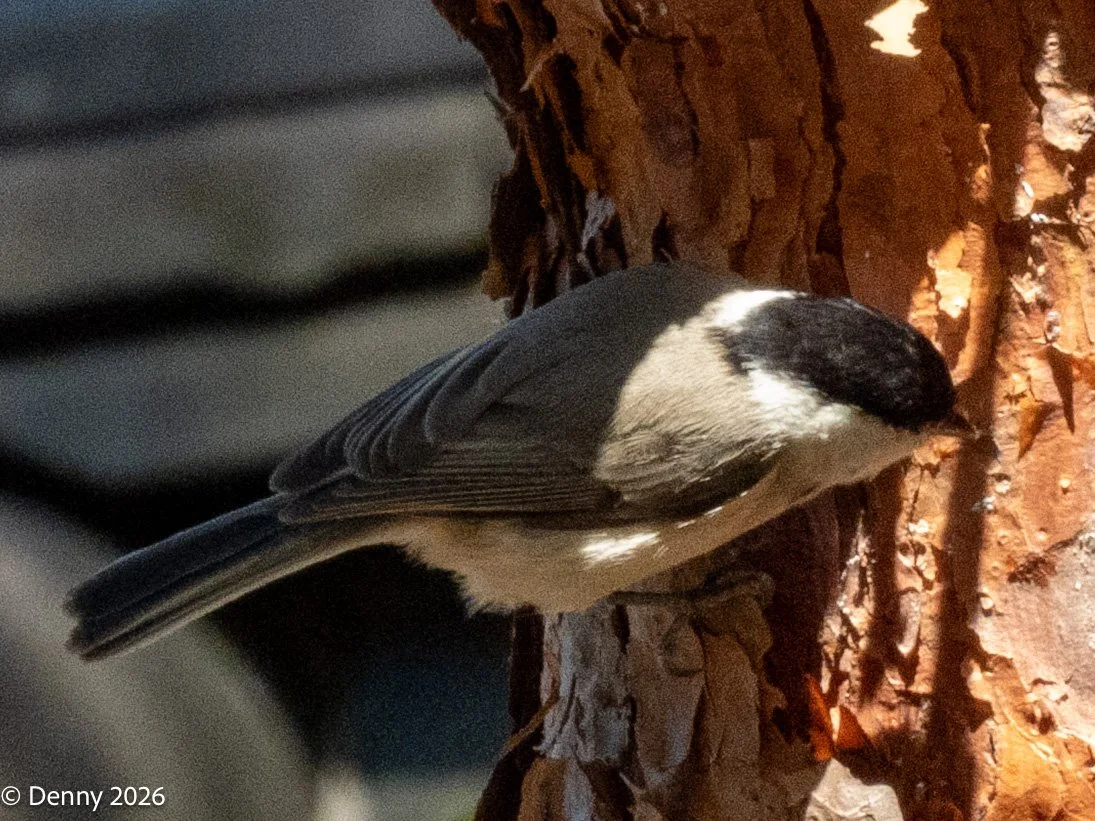
Marsh Tit (Poecile palustris hellmayri)
The lower river valley beyond the temple and the surrounding hillside terraces are well known as major green tea growing areas for South Korea.

Green tea plantation and granite boulders in stream, near SSanggyesa temple
Our long drive to Busan was then continued and apart from an hour’s lunch stop mid-afternoon we ventured on further to the east to arrive at our destination at 16:00.
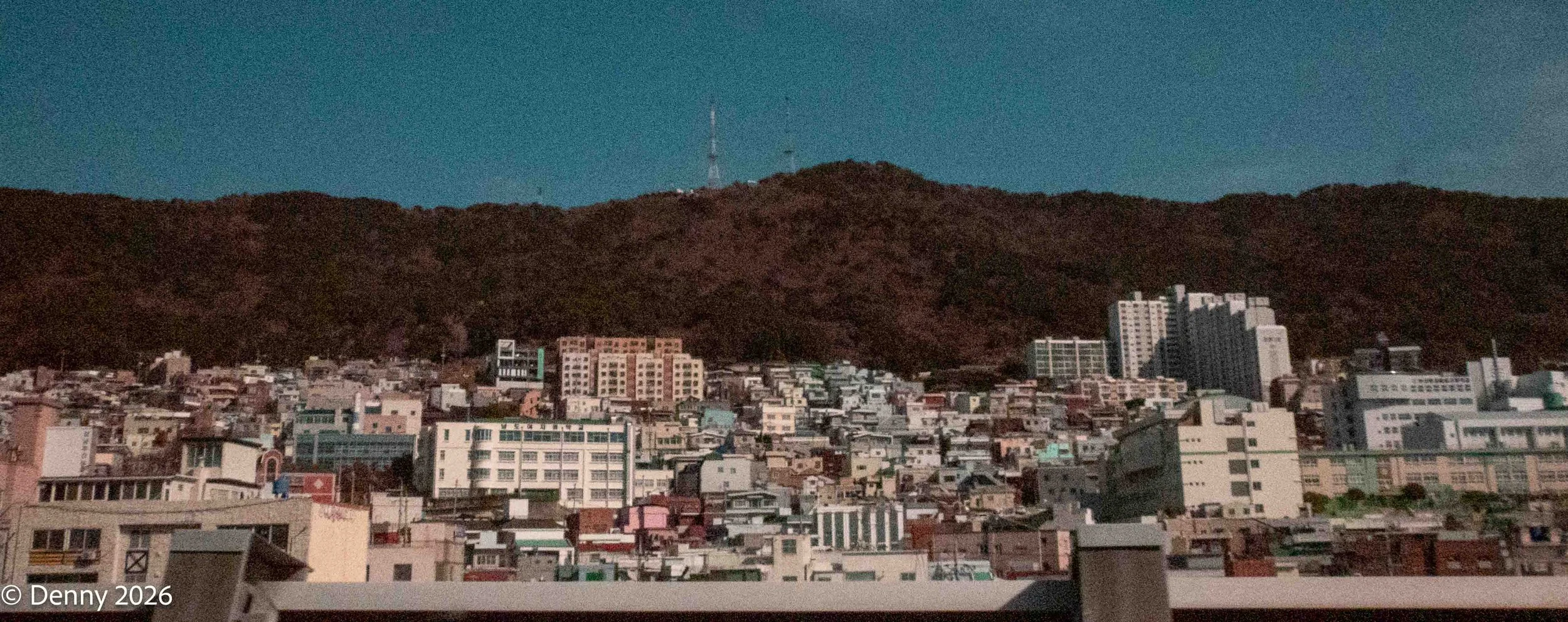
Old Busan (photo taken from bus)

Old Busan (photo taken from bus)
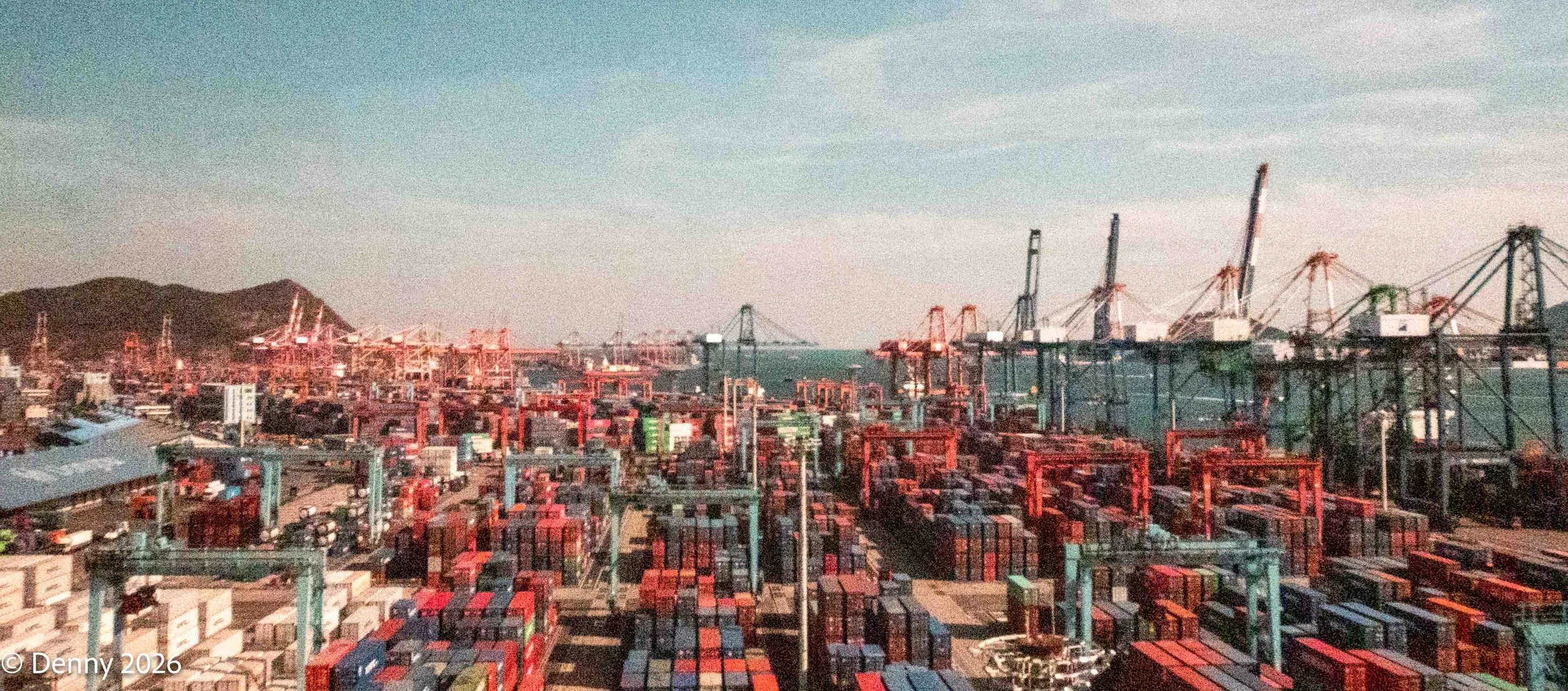
Port, Busan
After settling in to our L7 Hotel, our group spent time wandering through the nearby ‘old’ market area.

Busan old market
The main alleyway was quite crowded and the produce for sale was extensive but the dominant foods were seafood and vegetables. The seafood was in most cases alive in aerated tanks on the footpath’s edge. Amongst the broad range of marine life for sale were eels of various sizes, gastropods, scallops, octopus, squid, abalone, ascidians, prawns, crabs large and small and numerous species of fish including flounder and banded morwong.

Vegetables, Busan old market

Crabs & lobsters, Busan old market

Shellfish and ascidians, Busan old market

Cuttlefish, Busan old market

Fsh, Busan old market

Scallops, Busan old market
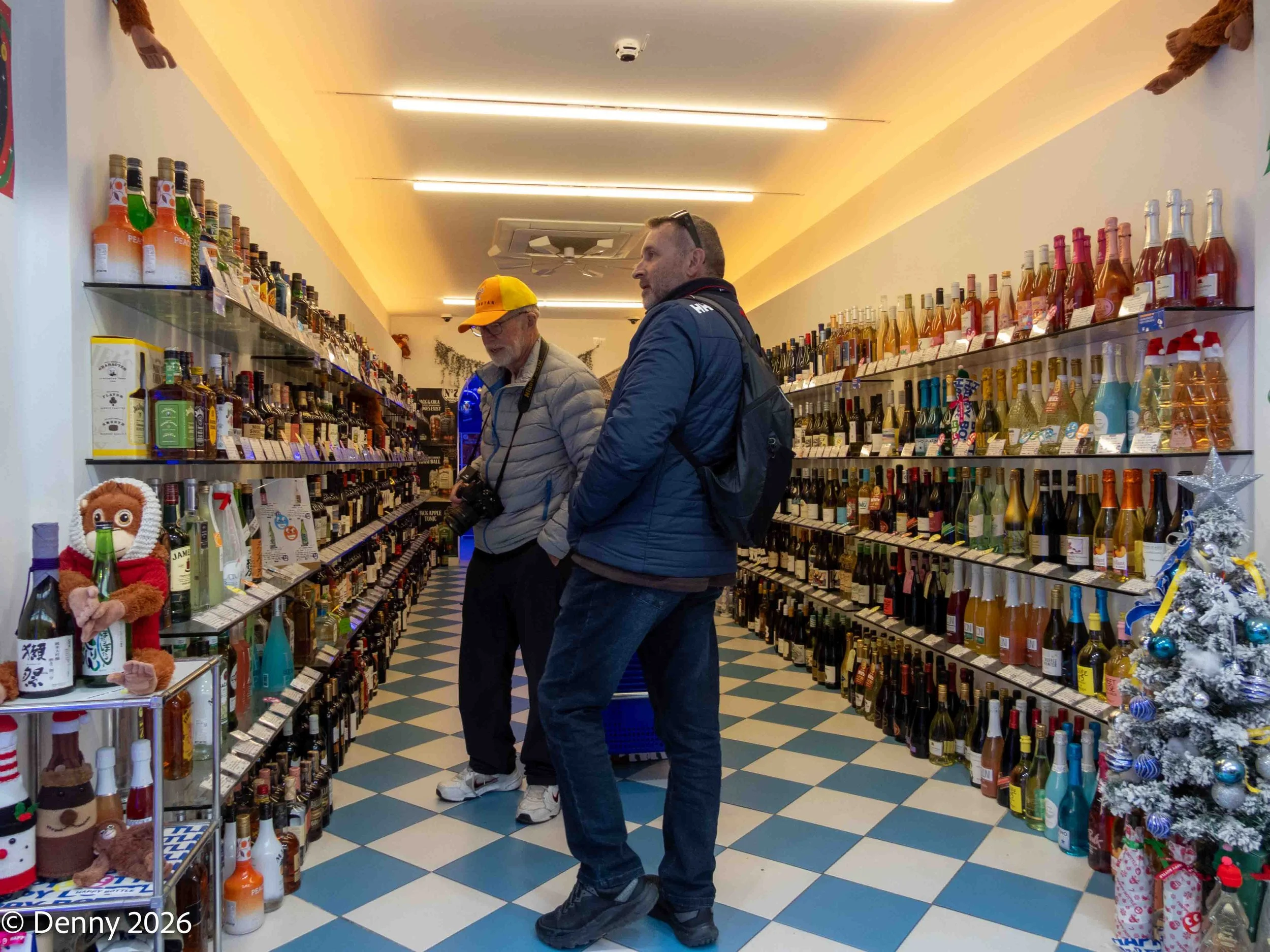
Boys in the bottle shop, Busan old market
There were other shops selling trinkets and tourist souvenirs where we bought hats and some small blue glass tumblers.
We returned to our hotel via the nearby beach which was crowded with Friday evening revellers although there was not a single swimmer to be seen.
The end of this beach is dominated by three sky-scrapers one of which has over 100 storeys and is about 400 m high.
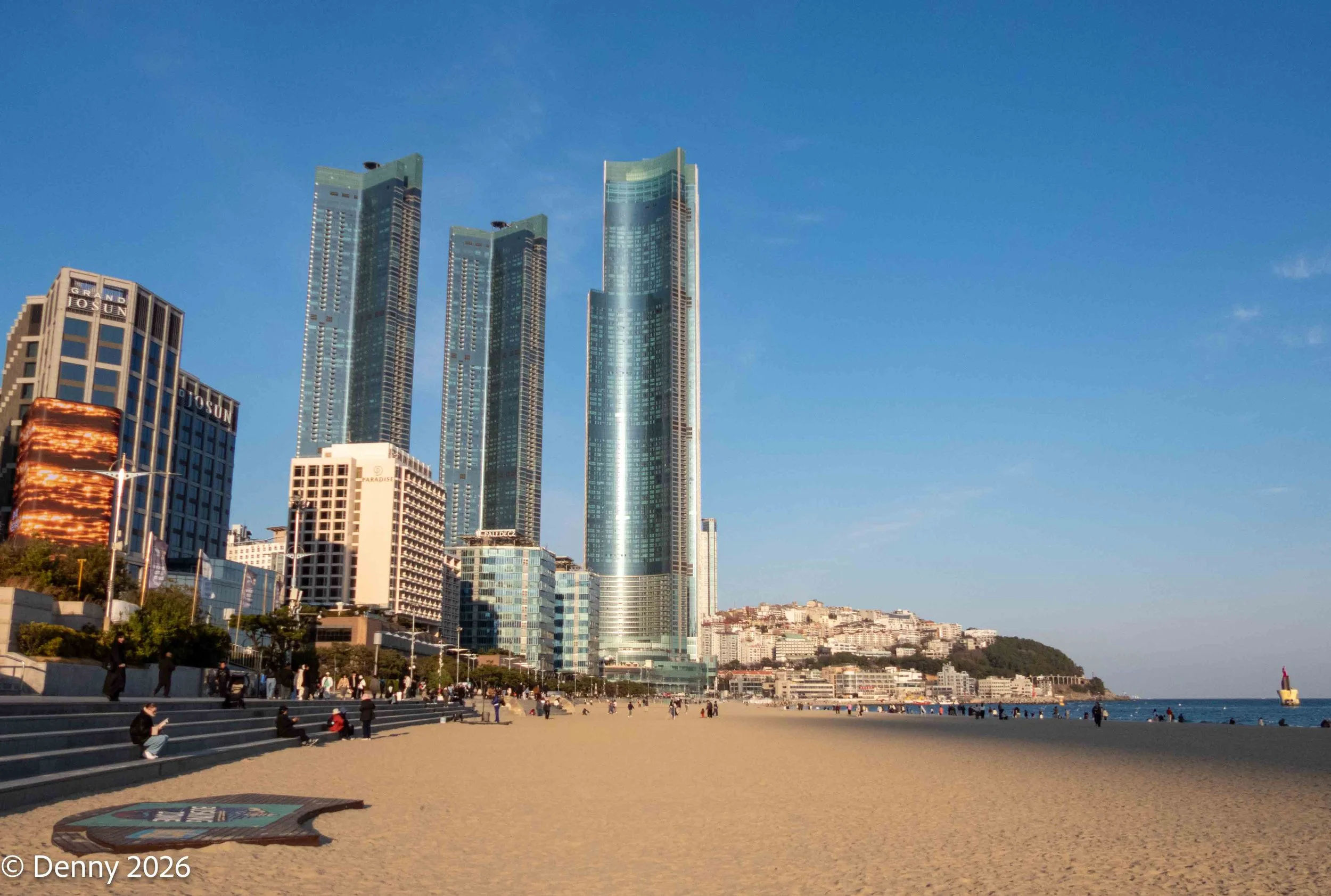
Beach area and skyscrapers, Busan
For our evening repast we wandered back to the main street area and found a small restaurant that had a good but reasonably priced offering of seafood meals.
This has been a long but most enjoyable day of blue skies and interesting sites giving us further insight to this intriguing country.